

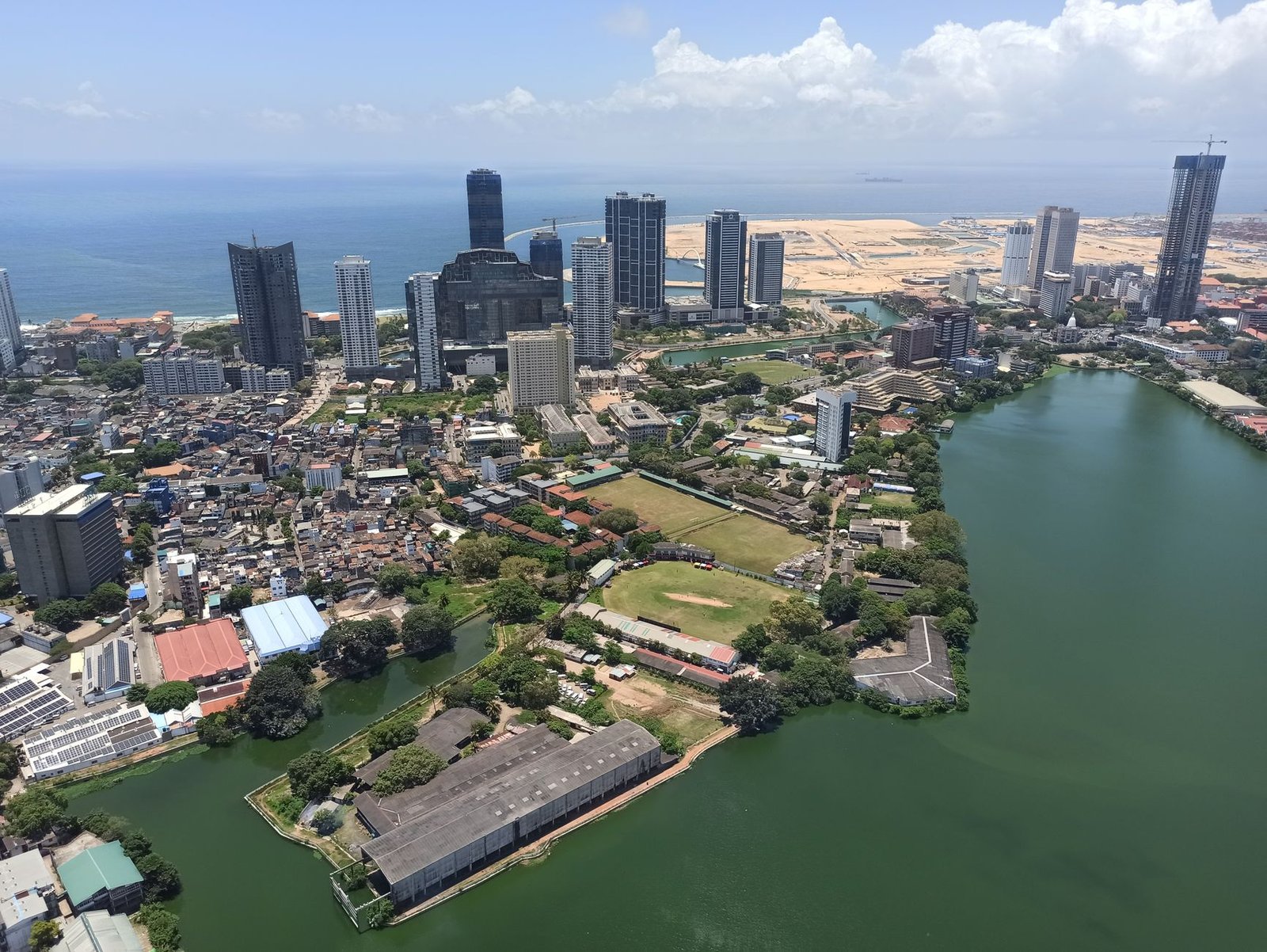
Sri Lanka Post-Crisis Recovery and Indian Ocean Trade
Global business insights and market intelligence.
Overview
Sri Lanka, positioned at a strategic maritime crossroads in the Indian Ocean, has long been a pivotal node for trade routes connecting East Asia, the Middle East, and Africa. After enduring a severe economic and debt crisis culminating in 2022, the island nation is now implementing broad reforms aimed at stabilizing macroeconomic conditions and restoring investor confidence. Key to its recovery strategy is optimizing its geographic advantage as a shipping and logistics hub, while revitalizing traditional export sectors—principally tea and textiles—and capitalizing on its natural and cultural assets to revive tourism. For global business leaders, understanding Sri Lanka’s evolving regulatory environment, infrastructural developments, and sectoral dynamics is essential to seizing new market opportunities and mitigating residual risks in this recovering market.
Key Data
| Attribute | Details |
|---|---|
| Population | 22 million (2024 est.) |
| GDP Growth Rate | Projected 3-4% recovery in 2024 post-crisis |
| Currency | Sri Lankan Rupee (LKR) |
| Strategic Location | Key transshipment hub in the Indian Ocean maritime trade routes |
| Top Exports | Tea (9% of export revenue), Textiles & Garments, Spices |
| Tourism Contribution | ~5% of GDP pre-crisis, rapidly recovering as borders reopen |
| Foreign Direct Investment (FDI) | Increasing with new policies to facilitate ease of doing business |
| Ease of Doing Business Rank | 72 (World Bank, 2023) |
Business Opportunities
- Strategic Maritime Trade and Logistics: Sri Lanka’s location near the vital east–west shipping lanes makes it an emerging hub for port development, transshipment, and value-added logistics services. Joint ventures and investment in deep-water port infrastructure, including Hambantota and Colombo Ports, offer critical gateways into regional and global markets.
- Tea and Textile Exports: The country remains one of the world’s largest producers of Ceylon tea, a premium global brand. Revitalizing tea plantations with modern agritech and sustainable farming practices presents export growth potential. Additionally, the textile and garment sector — a backbone of Sri Lanka’s industrial exports — continues to attract foreign buyers due to competitive costs and ethical manufacturing standards.
- Tourism Sector Revival: Post-pandemic and political stability improvements are fueling a comeback in international arrivals. Investment opportunities exist across hospitality, eco-tourism, cultural tourism, and wellness resorts, leveraging Sri Lanka’s rich biodiversity and heritage sites.
- Business Entry Considerations: Recent reforms focusing on fiscal discipline, liberalizing foreign exchange controls, and improving corporate governance are attracting foreign direct investment. However, companies should conduct thorough due diligence on sector-specific regulations, potential bureaucratic delays, and local partnerships to navigate the evolving business landscape successfully.
Frequently Asked Questions
What makes Sri Lanka’s location strategic for international trade?
Sri Lanka sits near major Indian Ocean shipping lanes, acting as a natural maritime crossroads between Asia, the Middle East, and Africa. Its ports offer pivotal transshipment services key to global supply chains, reducing shipping times and costs for goods.
How stable is the Sri Lankan economy after the recent crisis?
While the 2022 fiscal crisis caused significant disruptions, the government has since implemented IMF-backed reforms, stabilized foreign reserves, and resumed growth trajectories. However, macroeconomic volatility remains possible, requiring cautious risk assessment for investors.
Which export sectors provide the best opportunities?
Tea and textiles remain Sri Lanka’s primary foreign exchange earners. Growth areas also include spices, seafood, and emerging tech-enabled agro exports. Investments enhancing product quality, sustainability, and supply chain efficiency are favored.
What should foreign companies consider before entering Sri Lanka?
Key considerations include understanding local regulations, currency convertibility, infrastructure readiness, and forming strategic local partnerships to navigate administrative processes and cultural nuances.