

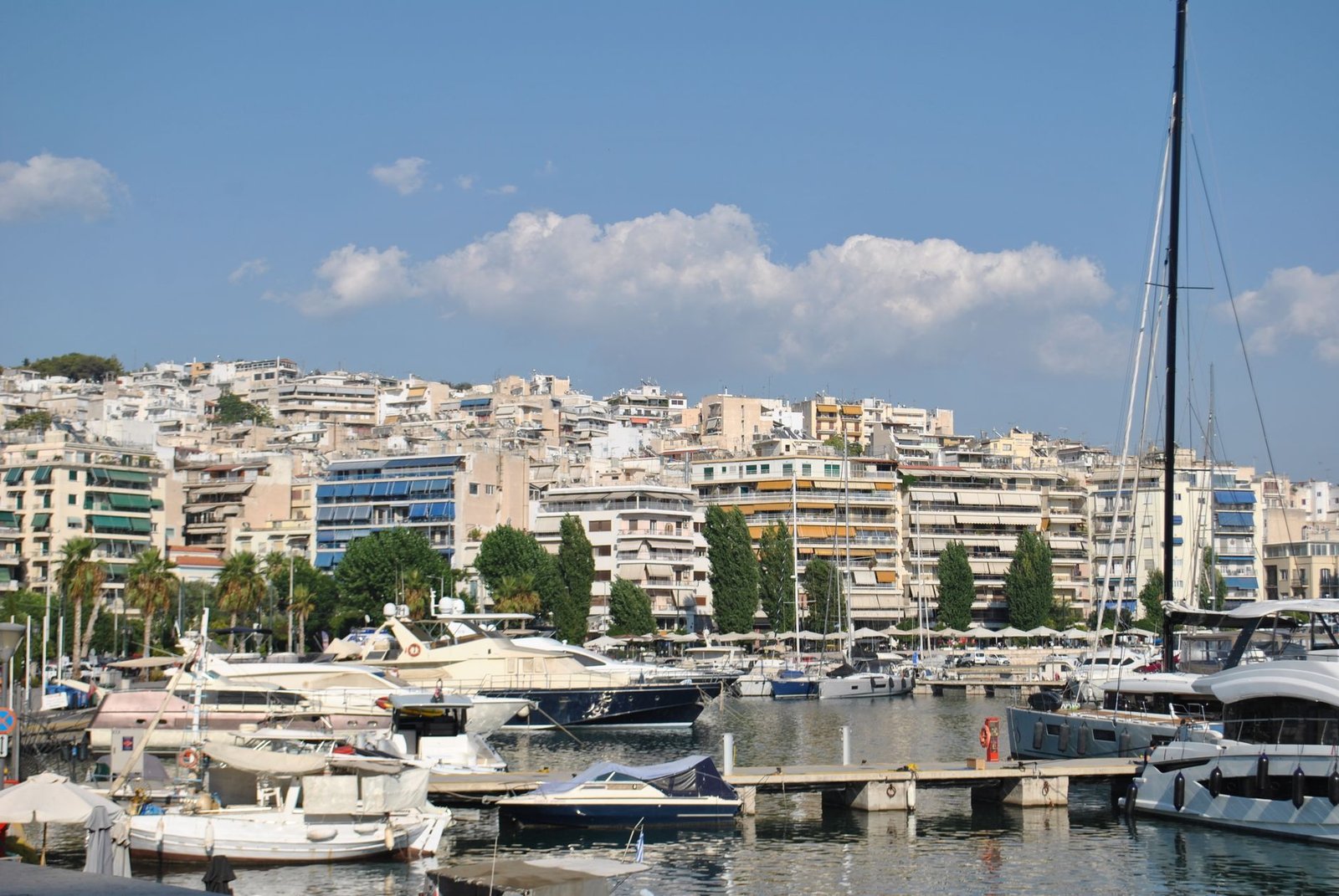
Greece Mediterranean Economy and Tourism-Energy Transition
Global business insights and market intelligence.
Overview
Following a prolonged economic crisis spanning nearly a decade, Greece has demonstrated remarkable resilience and recovery, supported by comprehensive structural reforms and enhanced fiscal discipline. The country’s economic rebound is underscored by a series of growth-driving sectors, notably its maritime industry, tourism, and renewable energy initiatives. Greece’s maritime fleet remains the largest globally, controlling approximately 20% of the world’s total capacity, which sustains the country’s position as an essential hub for global shipping and logistics. Meanwhile, tourism continues to be a vital economic cornerstone, contributing over 20% to the national GDP pre-pandemic and rapidly regaining momentum with increased international arrivals and investments in high-end hospitality and infrastructure.
Simultaneously, Greece is emerging as a front-runner in the Mediterranean’s energy transition. Investments in renewable energy projects, including wind, solar, and offshore technologies, reflect governmental commitments aligned with the European Green Deal. The country’s ambitious targets for carbon neutrality by 2050 are attracting international investors eager to capitalize on Greece’s natural advantages, regulatory reforms, and EU financial support mechanisms.
Combined, these elements paint a picture of a Mediterranean economy in transformation—anchored in tradition yet innovating to meet the future’s energy and tourism landscapes, while creating broad-based investment opportunities in infrastructure, technology, and sustainable industries.
Key Data
| Attribute | Details |
|---|---|
| GDP Growth Rate (2023) | +3.5% |
| Maritime Fleet Share | Largest globally, ~20% of world capacity |
| Tourism Contribution to GDP | ~18% post-pandemic recovery |
| Renewable Energy Capacity (2023) | ~9 GW (Wind & Solar) |
| Carbon Neutrality Target | 2050 under National Energy & Climate Plan |
| FDI Inflows (2023) | €3.2 billion, with emphasis on energy & infrastructure |
| Key Export Sectors | Shipping services, food products, refined petroleum |
Business Opportunities
- Renewable Energy Projects: Greece offers attractive incentives for investments in wind farms, photovoltaic solar parks, and emerging offshore wind technology, supported by streamlined permitting and EU funding frameworks.
- Maritime & Shipping Services: Opportunities abound in ship management, logistics, maritime technology, and port infrastructure modernization, fueled by Greece’s global leadership in shipping and expanding commercial ports.
- Tourism Development: Expanding high-value tourism segments—such as luxury resorts, cultural tourism, and ecotourism—alongside digital innovation in hospitality services, provides scope for both local entrepreneurs and international investors.
- Infrastructure & Urban Development: Investment in sustainable infrastructure, including smart cities, energy-efficient transport, and water resource management, is prioritized under Greece’s recovery and resilience plan.
- Tech & Innovation Ecosystem: Greece is nurturing a growing startup scene focused on cleantech, maritime technologies, and digital services, offering partnership and funding possibilities through government and EU programs.
Frequently Asked Questions
How has Greece managed to recover economically from the 2008 crisis?
Greece’s recovery stems from a combination of structural reforms, fiscal consolidation, improved investor confidence, and strategic EU financial support. Emphasis on export growth, tourism, and targeted investments in key growth sectors have also contributed to restoring economic stability and growth.
Why is Greece considered a leader in the maritime industry?
Greece controls the world’s largest commercial shipping fleet by tonnage, supported by a long maritime tradition, favorable legal frameworks, competitive taxation for shipping companies, and expertise in ship management and operations.
What incentives exist for renewable energy investors in Greece?
The Greek government offers feed-in tariffs, net metering policies, and priority grid access for renewable projects. Additionally, EU funds and green bonds support renewable infrastructure, making it an attractive environment for both local and international capital.
How significant is tourism to Greece’s economy?
Tourism is one of Greece’s largest economic pillars, directly and indirectly accounting for nearly one-fifth of GDP. The sector supports millions of jobs and is a primary driver of foreign exchange revenues.