

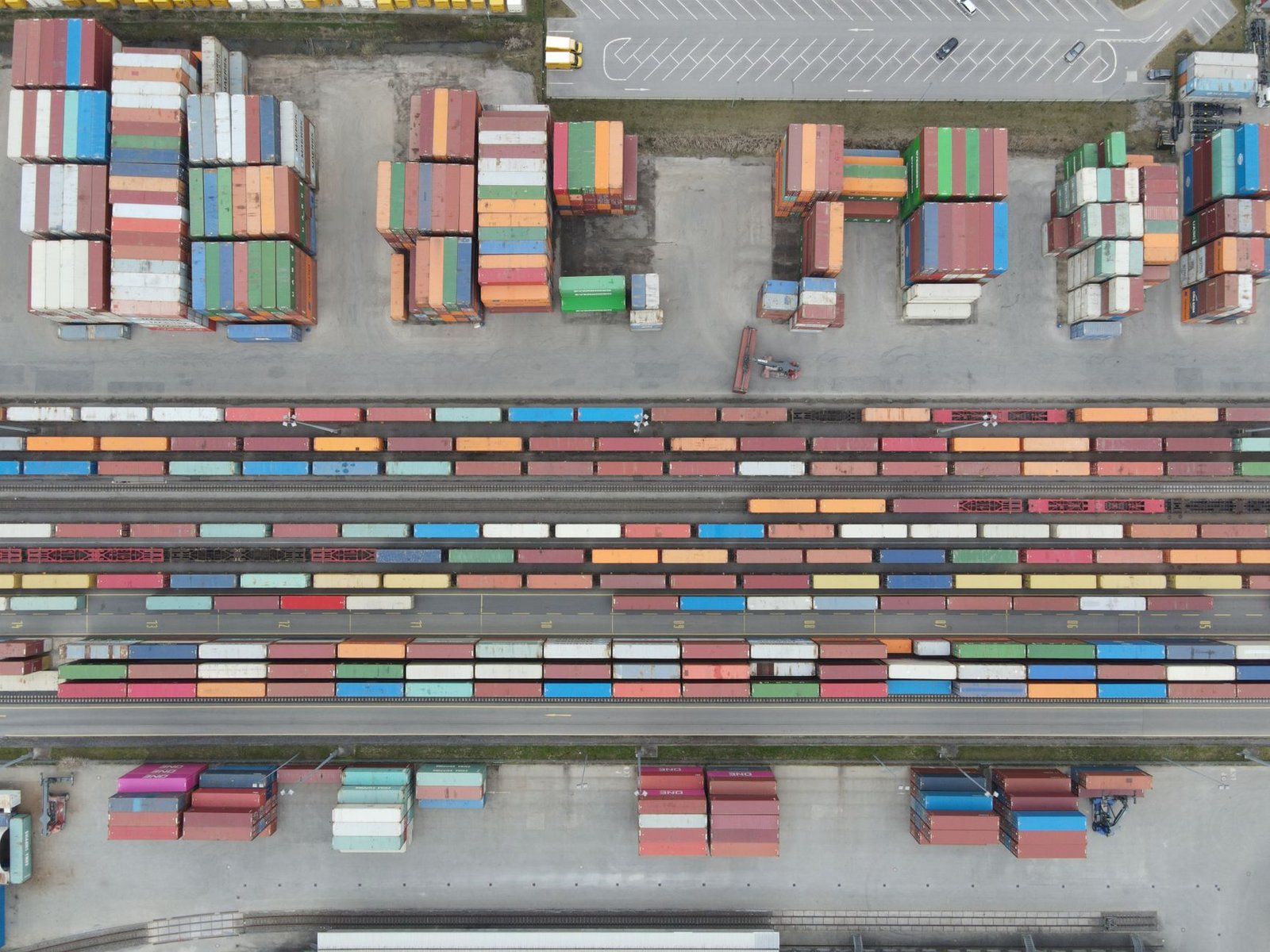
Global trade dynamics are entering a period of heightened uncertainty, with significant implications for supply chains and international investment flows. Businesses and policymakers worldwide are closely monitoring evolving geopolitical tensions, regulatory shifts, and economic policies that collectively contribute to this complex environment.
Supply chains, which have already faced disruptions in recent years due to the pandemic and geopolitical conflicts, are now confronting renewed risks. These challenges include potential tariff escalations, export restrictions, and logistical bottlenecks that could affect the timely movement of goods across borders. Companies with extensive global operations may need to reassess their sourcing strategies and inventory management to mitigate these risks.
Impact on Investment and Market Strategies
Investment decisions are increasingly influenced by the unpredictability in trade policies and international relations. Multinational corporations and investors are evaluating the stability of trade agreements and the reliability of supply chain partners. This environment encourages diversification of markets and suppliers to reduce exposure to any single region or trade bloc.
Furthermore, regulatory developments in key economies are shaping the landscape for foreign direct investment. Compliance with evolving trade regulations and standards requires businesses to remain agile and informed to avoid disruptions and penalties.
Technological and Infrastructure Considerations
Advancements in technology and infrastructure are critical in addressing supply chain vulnerabilities. Companies are investing in digital tools for better visibility and predictive analytics to anticipate and respond to disruptions swiftly. Additionally, infrastructure improvements in logistics and transportation networks are essential to support resilient trade flows.
Governments and private sectors are increasingly collaborating to enhance supply chain resilience through policy frameworks and strategic investments. These efforts aim to balance efficiency with risk mitigation in a volatile global trade environment.
As global trade uncertainty persists, businesses must adopt comprehensive risk management strategies that incorporate geopolitical analysis, regulatory compliance, and technological innovation. Staying proactive in these areas will be vital for maintaining competitive advantage and operational continuity in international markets.
Official Resources
For further details, refer to the original Bloomberg Law News report: Global Trade Uncertainty Set to Flare Up Again: Supply Lines.
BusinessOnlyBusiness Editorial Team
Editorial content prepared with the support of artificial intelligence and the review of publicly available sources. While every effort has been made to ensure accuracy, occasional errors may occur. If you identify any inaccuracies or wish to request a correction, please contact the BusinessOnlyBusiness editorial team.