

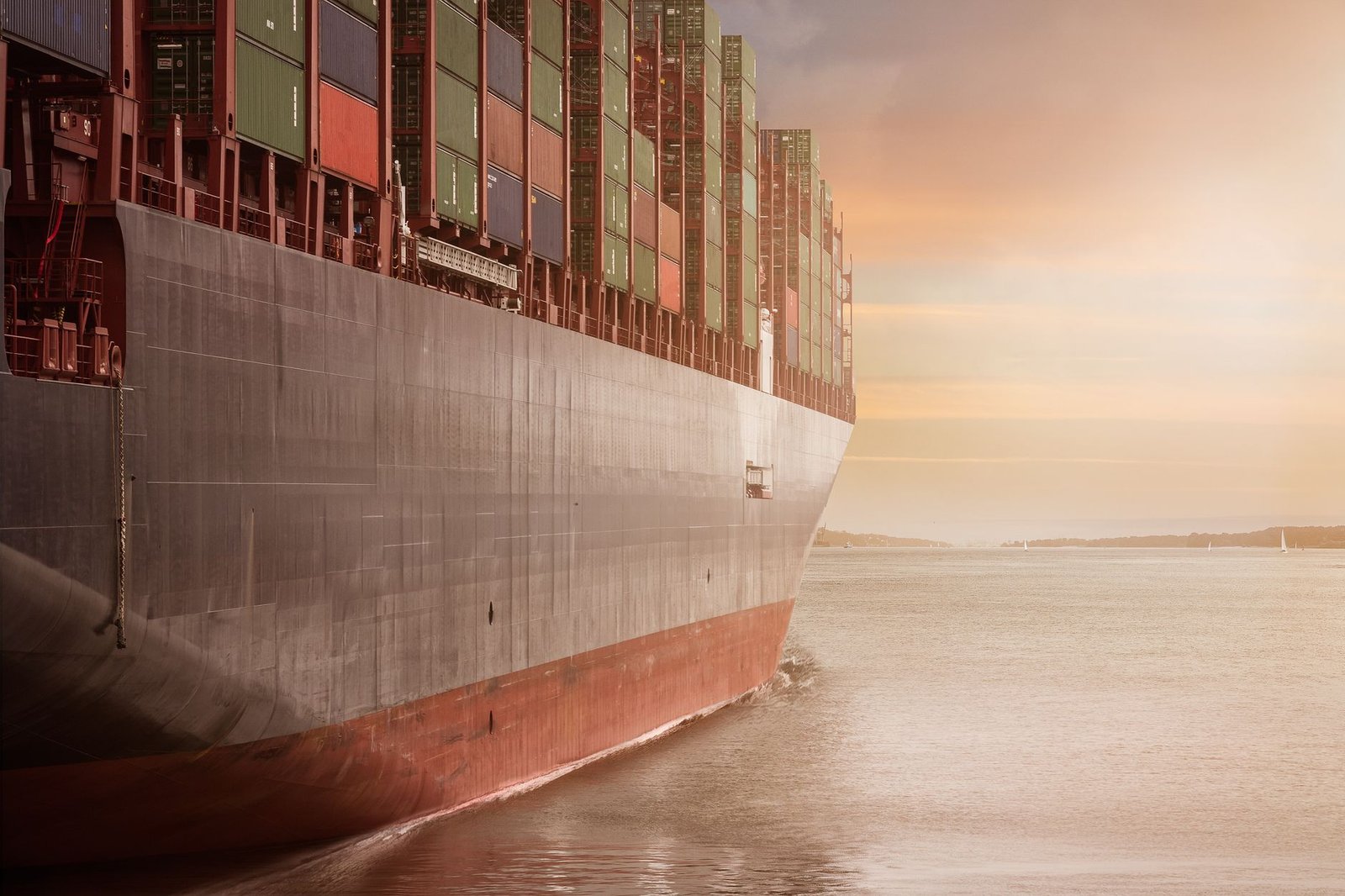
June 2026 witnessed several notable shifts in the international trade landscape, reflecting evolving geopolitical dynamics, regulatory changes, and market adjustments. This review highlights the principal developments that impacted global commerce and investment flows during the month.
Trade Policy Adjustments and Regulatory Updates
Several countries introduced amendments to their trade policies aimed at enhancing market access and addressing emerging economic challenges. Notably, regulatory bodies in key economies implemented new compliance frameworks to streamline customs procedures and reduce trade barriers, facilitating smoother cross-border transactions.
Additionally, ongoing negotiations within multilateral trade organizations progressed, with member states focusing on modernizing trade rules to accommodate digital commerce and sustainability considerations. These efforts underscore the increasing importance of aligning trade regulations with technological advancements and environmental priorities.
Supply Chain and Logistics Developments
Global supply chains continued to adapt to disruptions caused by geopolitical tensions and shifting demand patterns. Companies invested in diversifying sourcing strategies and enhancing logistics infrastructure to mitigate risks associated with concentrated supply networks. The emphasis on supply chain resilience remains a critical factor for businesses seeking to maintain operational continuity amid uncertainty.
Market Trends and Investment Flows
Emerging markets attracted renewed investor interest as trade liberalization measures and infrastructure investments created new opportunities. Capital flows into sectors such as technology, renewable energy, and manufacturing infrastructure increased, reflecting confidence in long-term growth prospects. Meanwhile, established markets focused on innovation-driven trade, leveraging advancements in automation and data analytics to optimize production and distribution.
Geopolitical Influences on Trade Relations
Geopolitical developments continued to shape trade relationships, with diplomatic engagements influencing tariff policies and bilateral agreements. Strategic partnerships were reinforced in regions prioritizing economic integration, while tensions in other areas prompted reassessments of trade dependencies. Businesses are closely monitoring these dynamics to adjust strategies accordingly.
Overall, June 2026 demonstrated the complexity and interconnectivity of international trade, emphasizing the need for adaptive strategies and informed decision-making in a rapidly changing global environment.
Looking Ahead
Stakeholders in international trade are expected to focus on sustainability initiatives, digital trade facilitation, and geopolitical risk management in the coming months. Continued collaboration among governments, industry leaders, and international organizations will be essential to foster a stable and inclusive trade ecosystem.
BusinessOnlyBusiness Editorial Team
Editorial content prepared with the support of artificial intelligence and the review of publicly available sources. While every effort has been made to ensure accuracy, occasional errors may occur. If you identify any inaccuracies or wish to request a correction, please contact the BusinessOnlyBusiness editorial team.
Source: Mondaq