

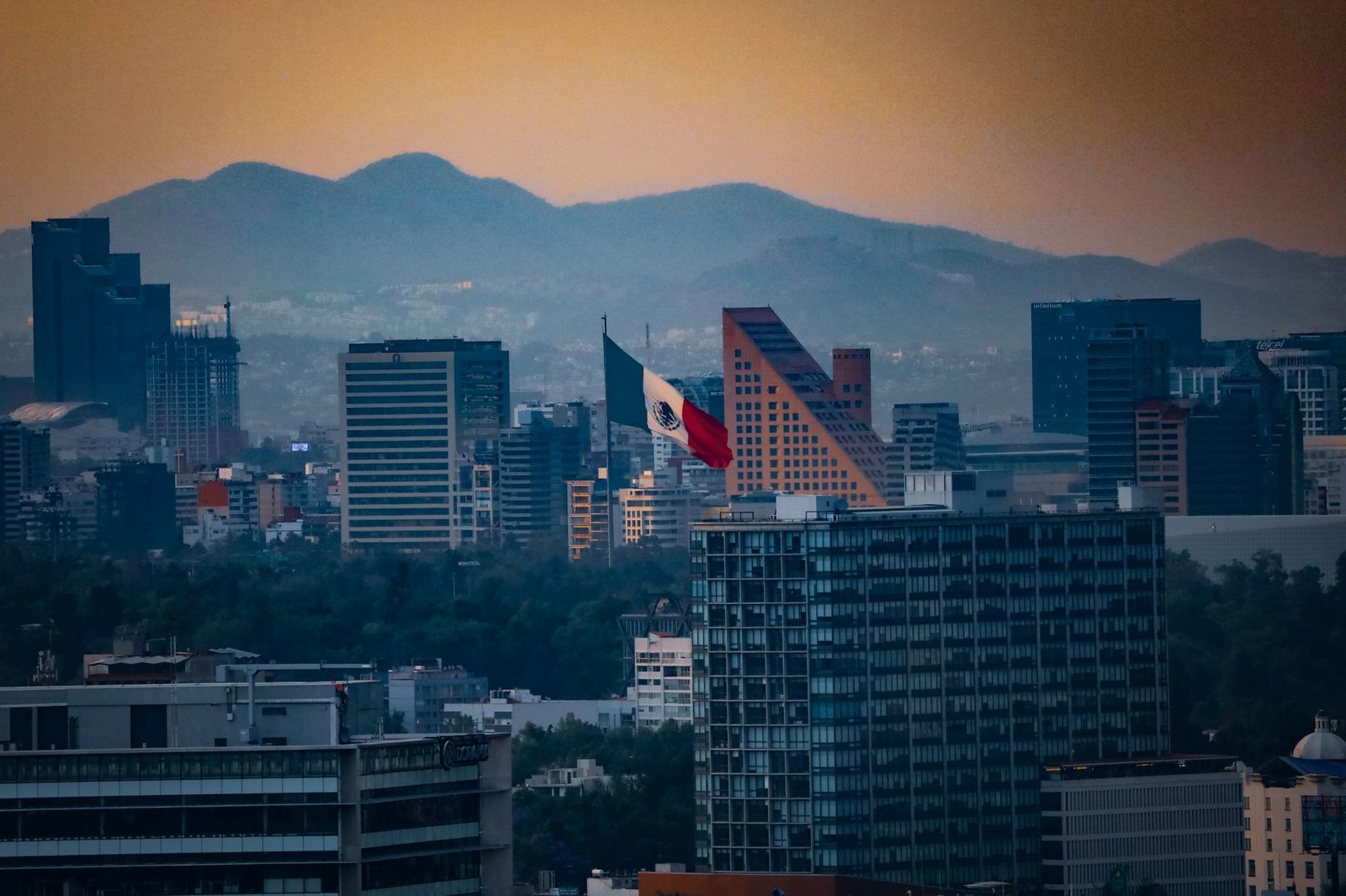
Mexico Business Profile Trade Corridors and Manufacturing Expansion
Global business insights and market intelligence.
Overview
Mexico occupies a crucial role in the North American economic landscape due to its proximity to the United States and Canada, integrated supply chains under the USMCA trade agreement, and well-established trade corridors such as the Mexico–US border crossings and major ports on both the Gulf and Pacific coasts. Its manufacturing sector is dynamic, supported by a skilled workforce and a legacy of the maquiladora system—assembly plants that benefit from preferential customs regulations. Recently, global supply chain disruptions and rising labor costs in Asia have accelerated nearshoring trends, positioning Mexico as a prime destination for companies seeking to relocate operations closer to major consumer markets.
The automotive, electronics, aerospace, and medical devices industries dominate the manufacturing landscape, supported by extensive clusters and a robust supplier network. Additionally, Mexico’s government policies and bilateral trade agreements incentivize foreign direct investment with tax benefits, streamlined regulations, and investment in infrastructure modernization—such as ports, highways, and railways—further enhancing trade efficiency.
International investors and companies should recognize Mexico’s evolving economic complexity beyond low-cost labor. The increasing focus on technological innovation, quality control, and sustainability in manufacturing signals Mexico’s intent to compete on advanced manufacturing capabilities. Furthermore, diversification initiatives encourage expansion into renewable energy, IT services, and agribusiness, unlocking new avenues for business growth.
Key Data
| Attribute | Details |
|---|---|
| Population | Approximately 130 million (2024 estimate) |
| GDP | US$1.4 trillion (Nominal, 2023) |
| Currency | Mexican Peso (MXN) |
| Main Industries | Automotive, Electronics, Aerospace, Medical Devices, Oil and Gas, Agriculture, Food Processing |
| Key Trade Partners | United States, Canada, China, Germany, Brazil |
Business Opportunities
- Strategic Nearshoring Location: With global companies seeking to reduce supply chain risk, Mexico offers proximity to the US market, reducing lead times and logistics costs compared to Asian suppliers.
- Automotive and Aerospace Manufacturing: Mexico ranks among the world’s top automotive exporters and aerospace component manufacturers, supported by specialized clusters in states like Nuevo León, Puebla, and Querétaro.
- Maquiladora Model Advantages: Foreign firms can leverage the maquiladora program for duty-free import of raw materials and components, streamlining assembly and re-export activities.
- Attractive FDI Drivers: Competitive labor costs, extensive free trade agreements (45+ countries), government incentives, and evolving industrial infrastructure make Mexico a favorable investment environment.
- Expanding Technology and Renewable Sectors: Emerging opportunities in IT services, software development, and renewable energy projects are gaining government support and private investment.
- Robust Trade Corridors: Infrastructure investments enhance rail, highway, and port connectivity, facilitating efficient cross-border trade and intra-regional logistics.
Frequently Asked Questions
What is the maquiladora model and how does it benefit foreign investors?
The maquiladora model refers to manufacturing operations where foreign companies import materials and components duty-free, assemble or process them in Mexico, and export the finished goods, primarily to the United States. This system reduces production costs, benefits from tariff exemptions, and leverages Mexico’s competitive labor market, making it attractive for export-oriented manufacturing.
How has nearshoring impacted Mexico’s manufacturing sector?
Nearshoring has accelerated investment in Mexico as companies seek to relocate production closer to North American consumers to mitigate supply chain disruptions, reduce costs, and improve responsiveness. This trend has boosted demand for skilled labor, advanced manufacturing technology, and infrastructure development.
Which sectors offer the highest growth potential for foreign companies in Mexico?
Besides traditional automotive and electronics, sectors such as aerospace, medical devices, renewable energy, information technology, and agribusiness are experiencing rapid growth and technological advancement, presenting diverse opportunities for foreign investment.
What are the primary risks international companies should consider when investing in Mexico?
While Mexico offers many advantages, companies should evaluate risks related to regional security variations, regulatory complexities, currency fluctuations, and the need for robust compliance with labor and environmental standards to ensure sustainable operations.