

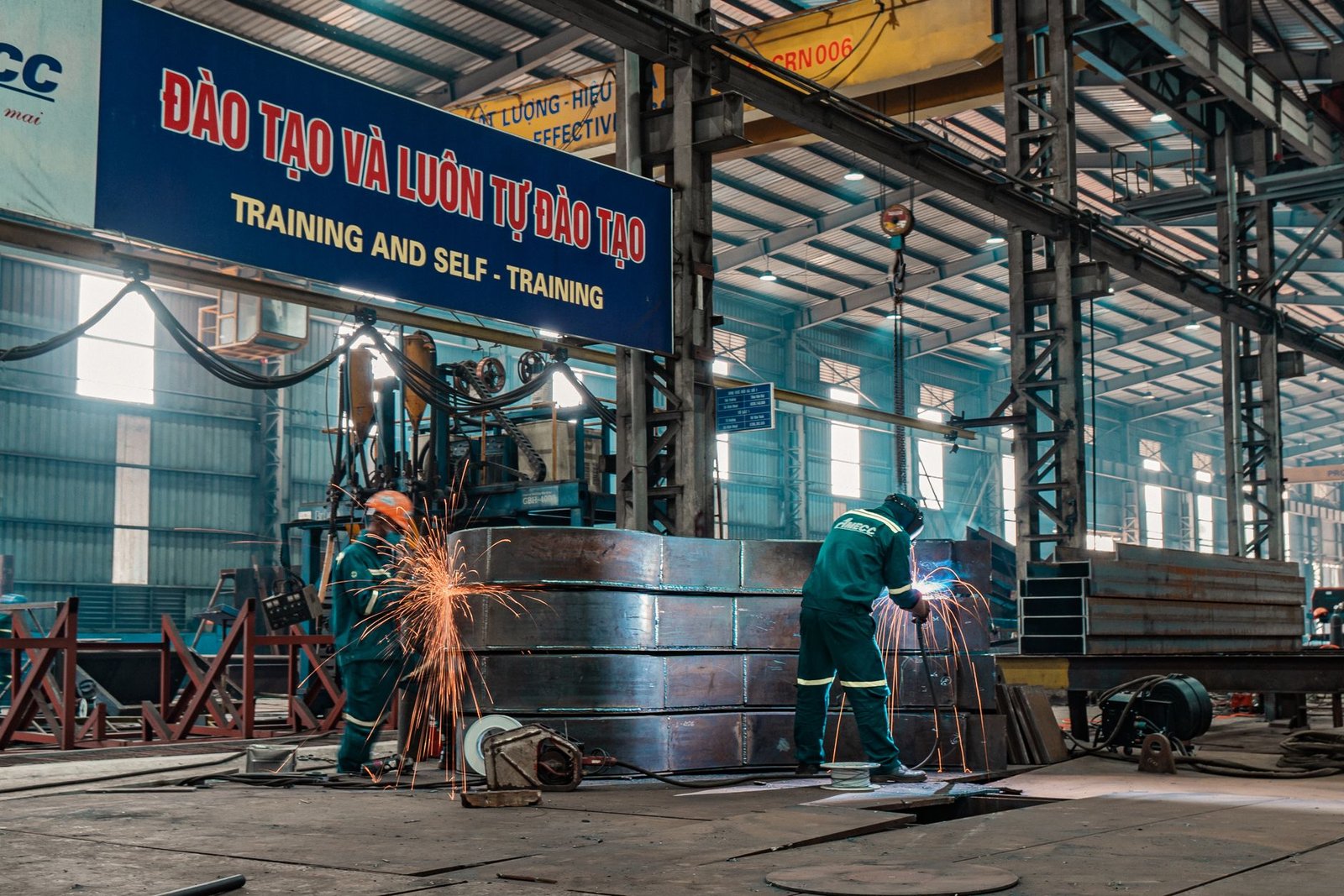
Vietnam Manufacturing Hub and Trade Expansion
Global business insights and market intelligence.
Overview
Over the past decade, Vietnam has transformed from a predominantly agriculture-based economy into a thriving manufacturing powerhouse. This shift is underpinned by strategic government initiatives aimed at industrial modernization, infrastructure development, and liberalized trade frameworks. Situated at a crossroads of major shipping routes, Vietnam benefits significantly from access to key markets across Asia, Europe, and North America.
Vietnam’s integration into global supply chains is exemplified by the active participation of multinational corporations in sectors such as electronics, textiles, automotive components, and consumer goods. The country’s labor force, characterized by young demographics and improving skillsets, drives productivity gains while maintaining cost advantages relative to China and other regional peers.
Trade expansion is supported through Vietnam’s network of free trade agreements (FTAs), including the Comprehensive and Progressive Agreement for Trans-Pacific Partnership (CPTPP) and the EU-Vietnam Free Trade Agreement (EVFTA). These agreements reduce tariffs, streamline trade facilitation, and enhance market access, encouraging export growth and investor confidence.
Complementing trade liberalization, Vietnam’s pro-investment policies and Special Economic Zones provide tailored incentives to foreign investors. Initiatives such as simplified administrative procedures, tax holidays, and land lease benefits have attracted significant FDI, fueling technology transfer and value-added manufacturing. This landscape creates a fertile ground for businesses targeting regional and global supply chain expansion.
Key Data
| Attribute | Details |
|---|---|
| GDP (Nominal) | Approx. $410 billion (2023) |
| Population | 98 million (2023) |
| FDI Inflows | $24 billion (2023) with rising trend in manufacturing and electronics |
| Top Export Sectors | Electronics, Textiles & Garments, Footwear, Machinery, Seafood |
| Key Trade Partners | China, US, EU, Japan, South Korea |
| Major FTAs | CPTPP, EVFTA, RCEP, UKVFTA |
| Currency | Vietnamese Dong (VND) |
| Ease of Doing Business Rank | 70 (World Bank, 2023) |
Business Opportunities
- Electronics and High-Tech Manufacturing: Vietnam is rapidly becoming a critical node for electronics production, with companies like Samsung, Intel, and Apple establishing manufacturing and assembly plants. Expansion in semiconductor and consumer electronics segments is projected.
- Textiles and Apparel: Supported by a skilled workforce and competitive costs, the textile sector remains vital. FTAs boost export potential, especially to markets demanding sustainability and quality compliance.
- Automotive Components: Growing domestic demand paired with export ambitions creates openings for suppliers of auto parts, batteries for electric vehicles (EV), and assembly technologies.
- Supply Chain Integration: With increasing global reshoring trends, Vietnam offers opportunities for logistics, warehousing, and local component sourcing to achieve supply chain resilience.
- Renewable Energy Manufacturing: Strategic focus on clean energy has opened avenues for manufacturing solar panels, batteries, and energy storage solutions.
- FDI-Friendly Environment: Reforms in administrative processes, competitive incentives, and growing industrial zones simplify market entry and reduce operational risk for foreign investors.
- Digital Transformation and Industry 4.0: Investment in smart factories, automation, and digital supply networks align Vietnam with future-ready manufacturing trends.
Frequently Asked Questions
Why is Vietnam considered a strategic manufacturing hub?
Vietnam combines competitive labor costs, a young and skilled workforce, strategic location near major shipping lanes, and a robust network of FTAs that provide tariff advantages and market access. Additionally, supportive government policies and a growing industrial ecosystem attract foreign investment, making it a strategic hub for manufacturing and supply chain operations.
What are the main challenges businesses face when investing in Vietnam?
While Vietnam offers many advantages, challenges include infrastructural bottlenecks in transport and energy, complex regulatory compliance in some sectors, skill shortages in advanced manufacturing, and rising labor costs in certain urban centers. Navigating local business culture and understanding regional differences are also important for success.
How does Vietnam’s participation in FTAs benefit exporters?
Vietnam’s FTAs reduce tariffs and non-tariff barriers, facilitating smoother and cheaper access to major markets like the EU, US, Japan, and ASEAN members. These agreements also encourage regulatory harmonization and offer preferential treatment, which enhance the competitiveness of Vietnamese exports globally.