

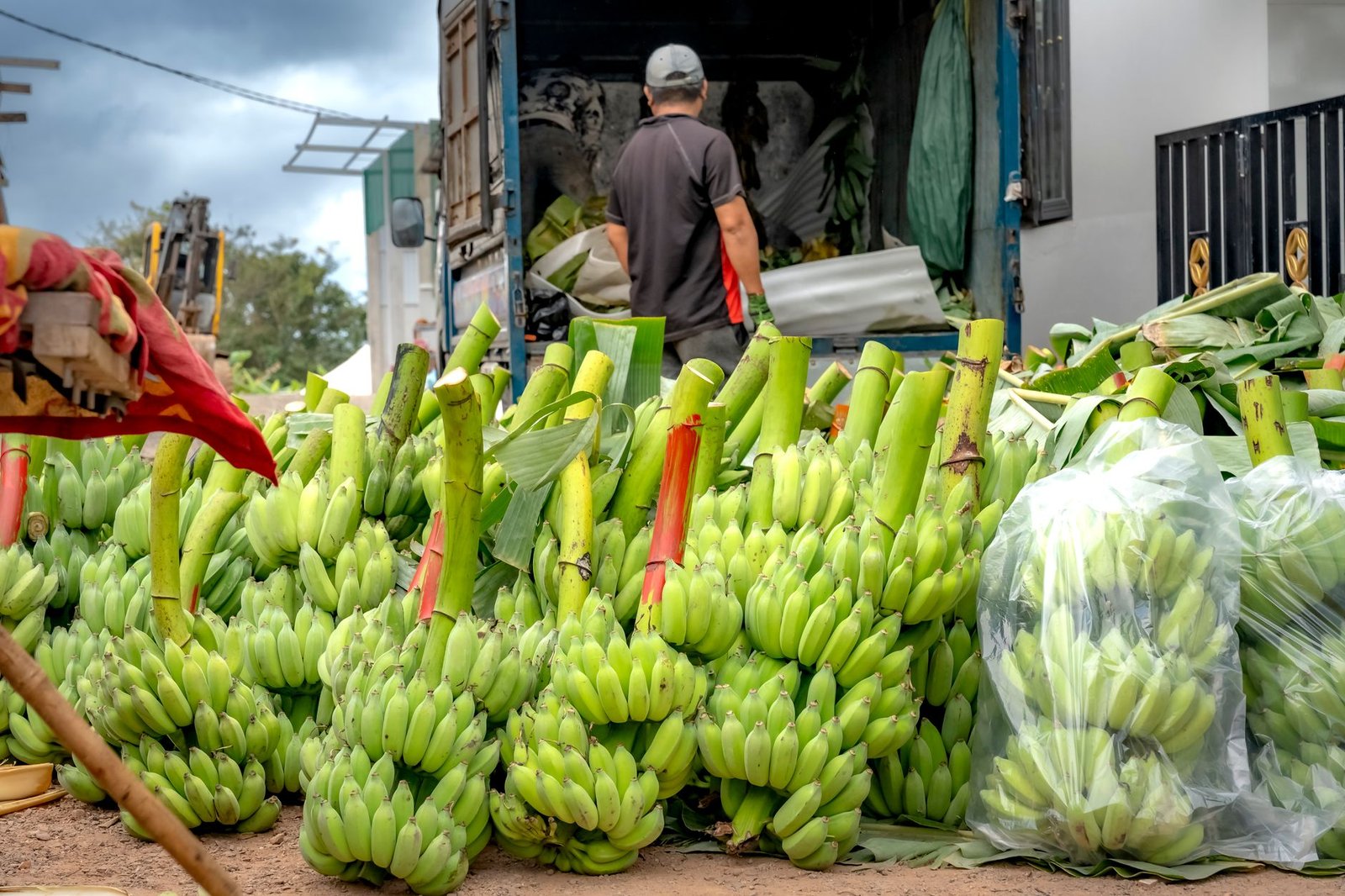
The United States has experienced a significant increase in imports of Vietnamese lychees, with volumes rising by 125% compared to previous periods. This surge underscores the expanding trade relationship between the two countries and highlights emerging opportunities in the agricultural export sector.
Vietnam’s lychee exports to the US market have gained momentum due to several factors, including improved supply chain logistics, enhanced quality standards, and growing consumer interest in exotic fruits. The increase in imports reflects not only demand dynamics but also the effectiveness of bilateral trade facilitation efforts.
Market Dynamics and Supply Chain Developments
The US market’s appetite for tropical and specialty fruits has been growing steadily, driven by diverse consumer preferences and an increasing focus on healthy, fresh produce. Vietnamese lychees, known for their distinctive flavor and quality, have found a receptive audience among American consumers.
On the supply side, Vietnam has invested in modernizing its agricultural infrastructure and export processes. This includes better cold chain management and compliance with international phytosanitary standards, which are critical for perishable goods entering stringent markets like the US.
Implications for Trade and Investment
The rapid growth in lychee imports from Vietnam signals broader trends in international agricultural trade, where emerging economies are leveraging their comparative advantages in specialty crops. For US importers and distributors, this presents opportunities to diversify product offerings and meet evolving consumer demands.
Moreover, the expansion of Vietnamese agricultural exports contributes to strengthening economic ties between the two nations. It may encourage further investment in supply chain infrastructure and collaborative ventures aimed at optimizing trade flows and ensuring sustainability.
Challenges and Future Outlook
Despite the positive trajectory, challenges remain, including maintaining consistent quality, managing seasonal supply fluctuations, and navigating regulatory requirements. Both Vietnamese exporters and US importers will need to continue working closely to address these issues.
Looking ahead, the growth in lychee trade could pave the way for increased exports of other Vietnamese agricultural products, fostering a more diversified and resilient trade partnership. Stakeholders in both countries are likely to benefit from ongoing cooperation and innovation in this sector.
Conclusion
The 125% increase in US imports of Vietnamese lychees is a notable development in international trade, reflecting shifting market preferences and enhanced bilateral cooperation. This trend highlights the potential for emerging markets to expand their presence in global supply chains, particularly in the agricultural domain.
As demand for diverse and high-quality produce continues to rise, the US-Vietnam trade relationship in this sector is poised for further growth, offering opportunities for businesses and investors engaged in international agriculture and food distribution.
Official Resources
Original Article – VnExpress International