

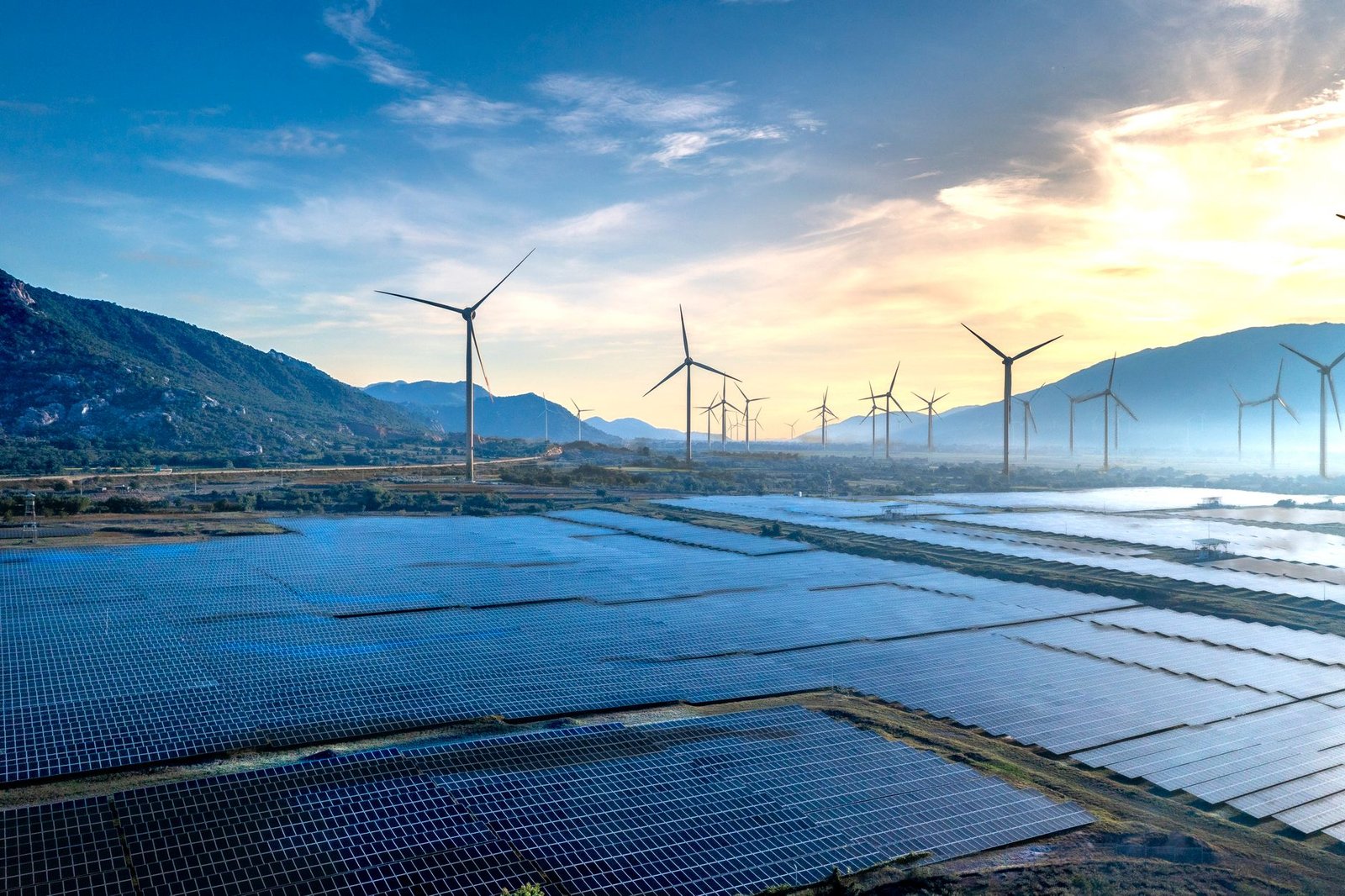
A comprehensive report has highlighted significant economic setbacks in the United States attributed to the rollback of clean energy policies. The analysis underscores that these policy reversals have resulted in billions of dollars in lost economic value, impacting not only the energy sector but also broader market dynamics and infrastructure development.
The report details how the weakening of clean energy incentives and regulations has disrupted investment flows into renewable energy projects, slowing the transition toward sustainable electricity generation. This has had a cascading effect on the electricity grid’s modernization efforts, which are critical for integrating renewable sources efficiently and maintaining grid reliability.
From a market perspective, the uncertainty generated by policy changes has dampened investor confidence in clean energy ventures, leading to reduced capital allocation and delayed project timelines. The diminished momentum in renewable energy deployment also affects supply chains and logistics, as manufacturers and service providers face fluctuating demand and shifting regulatory requirements.
Infrastructure development, particularly in transmission and distribution networks designed to accommodate renewable energy, has been hindered by these policy shifts. The report emphasizes that sustained support for clean energy policies is essential to foster innovation, attract investment, and ensure the resilience of the energy system amid evolving market conditions.
Industry leaders and stakeholders are urged to consider the broader economic implications of policy decisions on clean energy. Maintaining a stable and supportive regulatory environment is seen as vital for driving entrepreneurship and leadership in the sector, which in turn contributes to job creation and long-term economic growth.
As global markets increasingly prioritize sustainability and carbon reduction, the US faces competitive pressures to align its energy policies with international trends. The report suggests that reversing recent rollbacks and reinforcing clean energy commitments could unlock substantial economic benefits and position the country as a leader in the global clean energy transition.
Overall, the findings call for a strategic approach to energy policy that balances economic growth, technological advancement, and environmental responsibility, ensuring the US economy capitalizes on emerging opportunities in the clean energy landscape.
BusinessOnlyBusiness Editorial Team
Editorial content prepared with the support of artificial intelligence and the review of publicly available sources. While every effort has been made to ensure accuracy, occasional errors may occur. If you identify any inaccuracies or wish to request a correction, please contact the BusinessOnlyBusiness editorial team.
Source: Bloomberg Government