

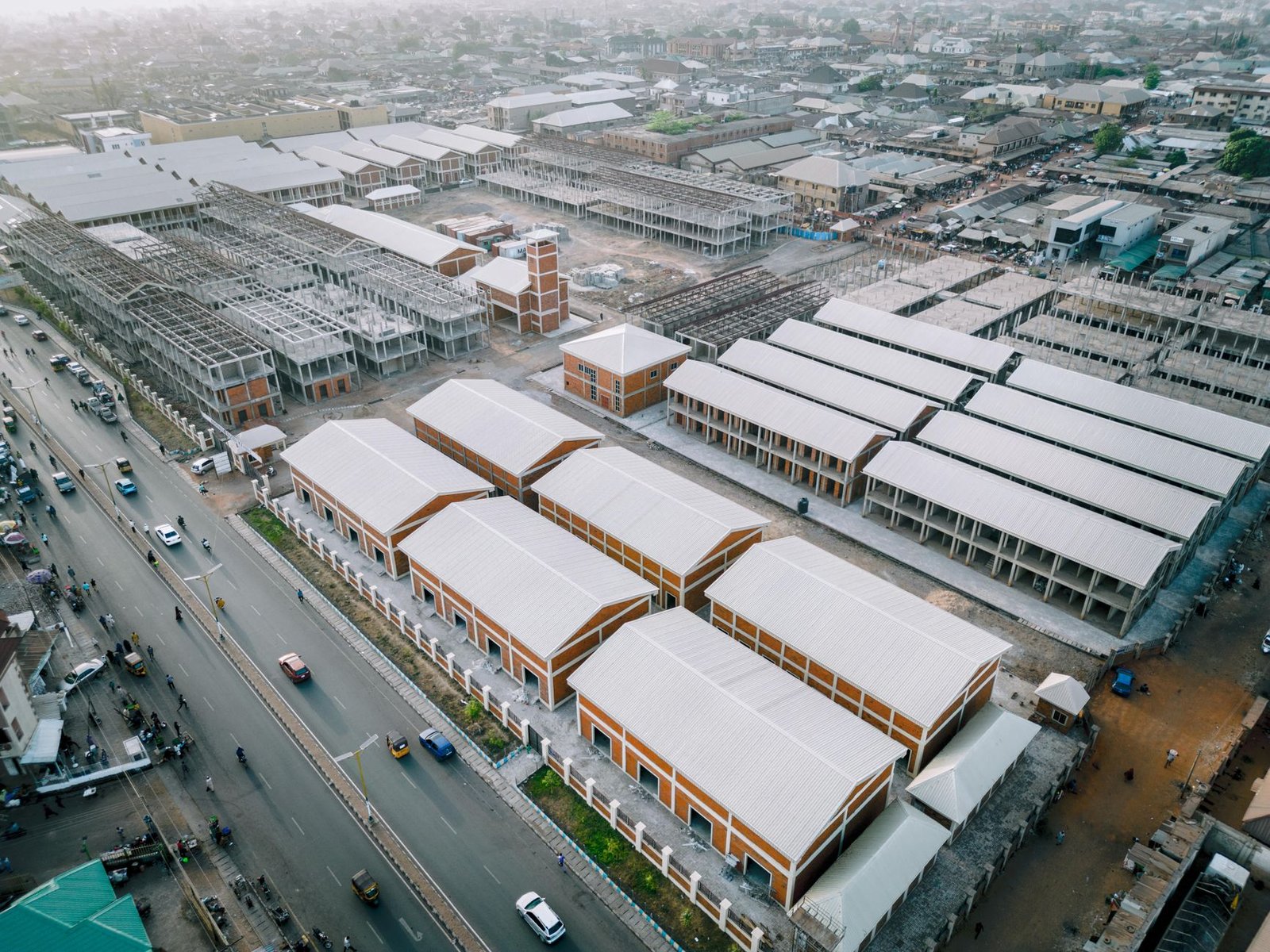
Tunisia has experienced a significant increase in foreign direct investment (FDI), with inflows rising by nearly 25% in recent periods. This growth is primarily attributed to robust activity in the manufacturing and energy sectors, which have attracted heightened interest from international investors.
The manufacturing sector’s expansion reflects Tunisia’s strategic positioning as a competitive hub for production and export within the North African region. Investments in this sector have been bolstered by Tunisia’s efforts to enhance industrial infrastructure, improve regulatory frameworks, and leverage its skilled workforce. These factors contribute to the country’s appeal as a destination for companies seeking cost-effective manufacturing bases with access to European and regional markets.
Simultaneously, the energy sector has seen increased capital inflows, driven by Tunisia’s initiatives to diversify its energy mix and develop renewable energy projects. The government’s focus on sustainable energy solutions aligns with global trends and investor priorities, fostering opportunities for partnerships and technology transfer. This sector’s growth not only supports Tunisia’s energy security but also positions the country as an emerging player in the regional energy landscape.
The uptick in FDI underscores Tunisia’s improving economic environment and its potential to attract further international investment. Enhanced investor confidence is linked to ongoing reforms aimed at streamlining business processes and promoting economic diversification. However, sustaining this momentum will require continued attention to political stability, infrastructure development, and regulatory clarity.
For investors and stakeholders, Tunisia’s evolving market presents opportunities across manufacturing and energy, sectors that are critical to the country’s economic trajectory. Monitoring developments in these areas will be essential for understanding Tunisia’s role in regional trade and investment flows.