

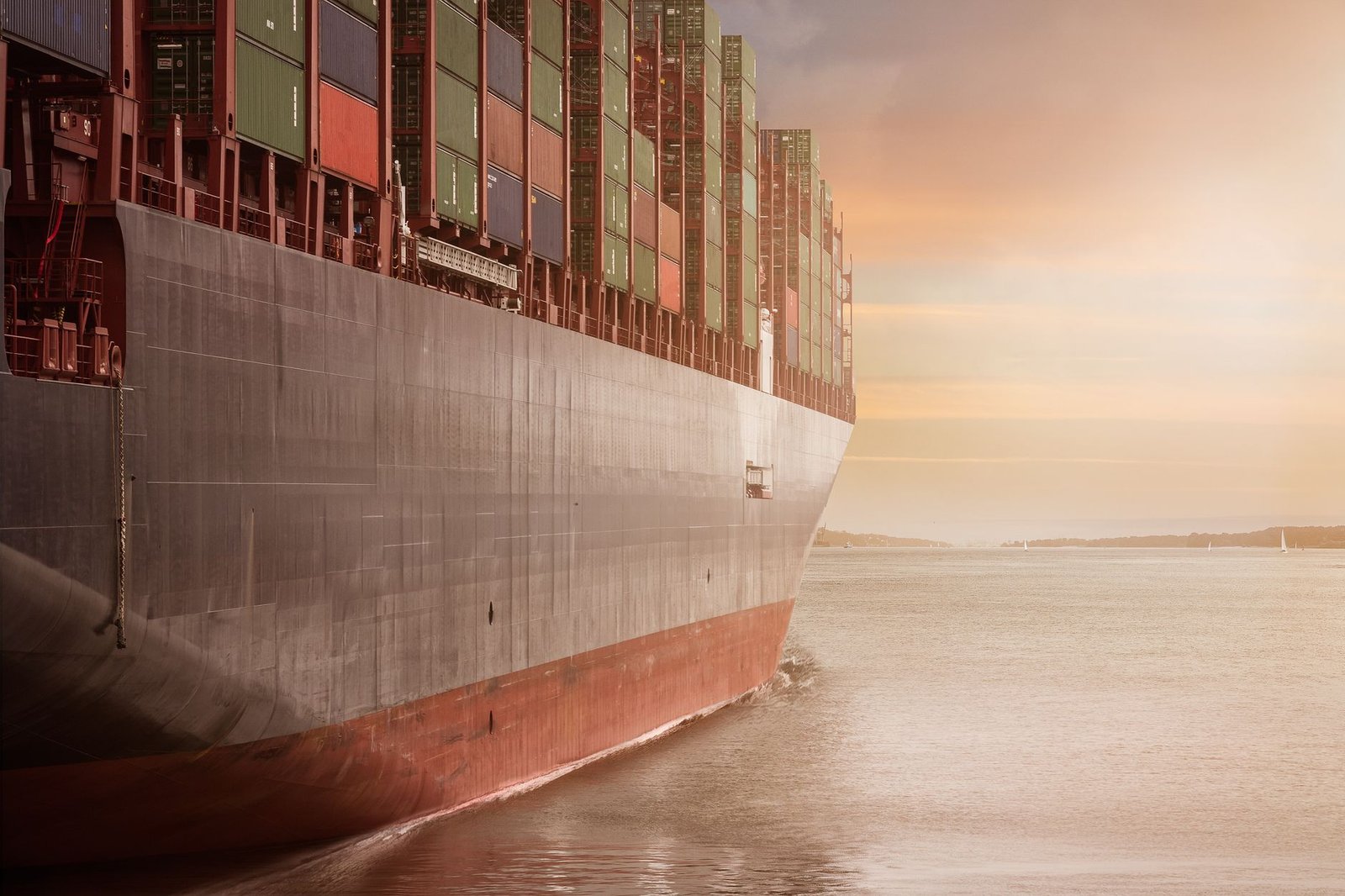
Trade finance has emerged as a vital mechanism for supporting businesses in emerging economies, particularly during periods of global economic uncertainty and crisis. By facilitating the import of essential goods, trade finance helps maintain supply chains and economic stability in markets that are often vulnerable to external shocks.
Emerging markets such as Tanzania exemplify the importance of trade finance in times of crisis. Businesses in these regions rely heavily on the ability to secure financing that enables them to import critical commodities, including food, medical supplies, and industrial inputs. Without adequate trade finance, these companies face significant challenges in meeting domestic demand and sustaining operations.
Trade Finance as a Stabilizing Force
During crises—whether triggered by health emergencies, geopolitical tensions, or economic downturns—traditional financing channels can become constrained. Banks and financial institutions may tighten credit availability due to increased risk, leading to liquidity shortages for importers and exporters. Trade finance instruments such as letters of credit, guarantees, and insurance mitigate these risks by providing assurance to suppliers and financiers, thereby maintaining the flow of goods across borders.
British International Investment highlights the critical role of trade finance in supporting businesses in emerging markets. By partnering with local financial institutions and international stakeholders, trade finance initiatives help bridge funding gaps and ensure that essential imports continue despite adverse conditions.
Implications for Global Supply Chains and Investment
The resilience of global supply chains depends significantly on the availability of trade finance. Disruptions in financing can lead to delays, increased costs, and shortages, which in turn affect production and consumption patterns worldwide. For investors and multinational corporations, understanding the dynamics of trade finance in emerging markets is crucial for risk management and strategic planning.
Furthermore, strengthening trade finance infrastructure contributes to broader economic development by enhancing trade volumes, supporting entrepreneurship, and fostering integration into global markets. Policymakers and development finance institutions are increasingly prioritizing trade finance solutions to promote inclusive growth and economic stability.
Looking Ahead
As the global economy continues to face challenges from pandemics, geopolitical shifts, and climate-related disruptions, the role of trade finance will remain central to sustaining commerce in emerging markets. Continued collaboration among governments, financial institutions, and development agencies is essential to expand access to trade finance and build more resilient economic systems.