

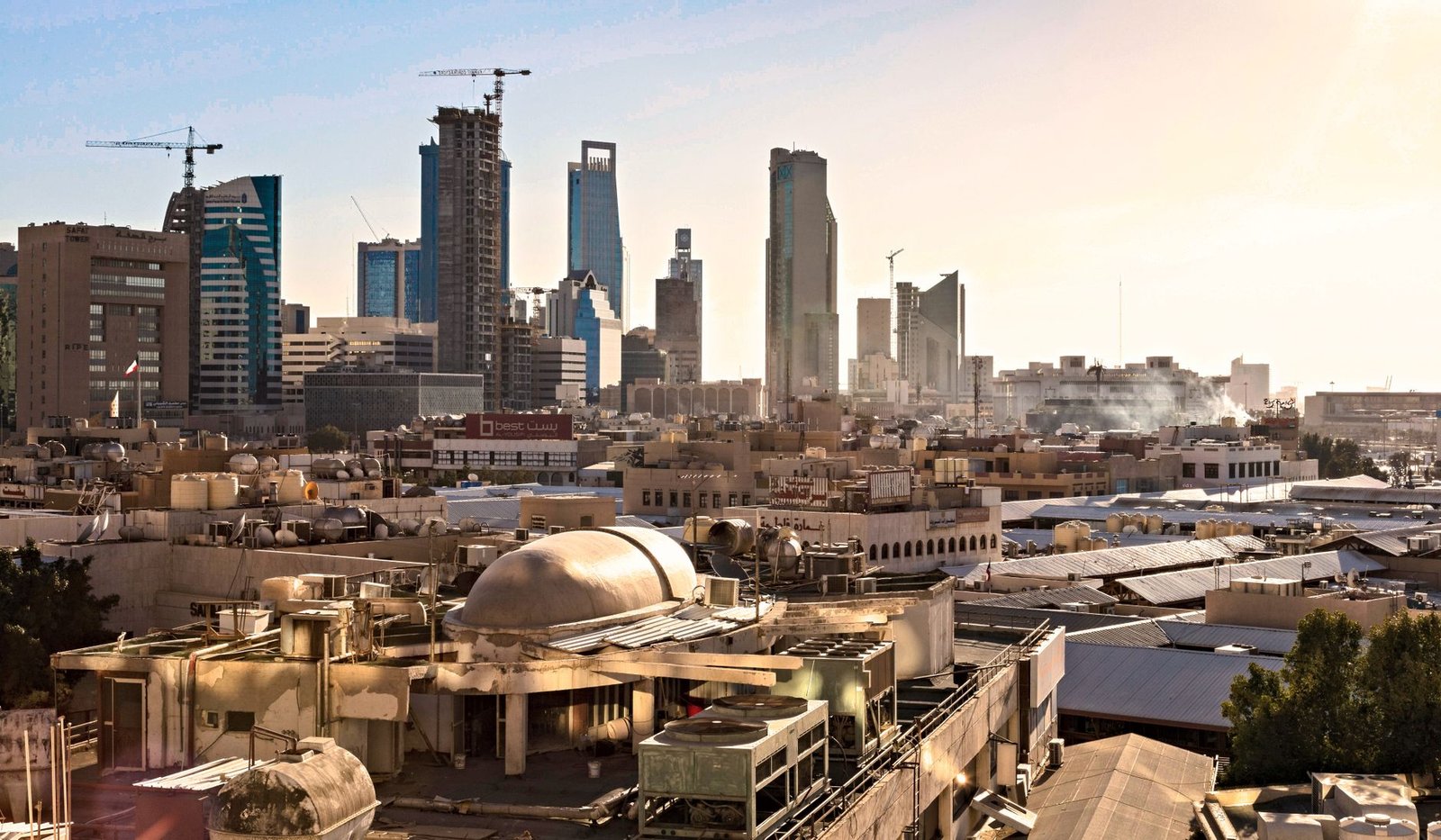
Saudi Arabia Economic Diversification and Vision 2030 Opportunities
Global business insights and market intelligence.
Overview
Saudi Arabia’s Vision 2030 represents one of the most ambitious economic diversification strategies in the Middle East, aimed at reducing the country’s heavy dependence on oil revenues and building a resilient, knowledge-based economy. The plan leverages the kingdom’s strategic geographic location, youthful population, and significant financial resources to unlock new business potentials across a broad spectrum of sectors.
This national transformation prioritizes developing non-oil sectors including tourism, mining, renewable energy, logistics, and entertainment. Large-scale infrastructure and technology projects such as NEOM—a $500 billion futuristic smart city—are at the core of this diversification, intended to stimulate innovation, sustainability, and global competitiveness.
To attract global investors and companies, Saudi Arabia has liberalized foreign direct investment (FDI) regimes by easing ownership restrictions, streamlining business registration, and creating economic zones with attractive incentives. For international firms, understanding these evolving market dynamics is crucial for successful entry and sustainable growth in the kingdom’s rapidly shifting economic landscape.
Key Data
| Attribute | Details |
|---|---|
| GDP (2023 est.) | $1.1 trillion |
| Population | Approximately 35 million |
| Key Non-Oil Sectors | Tourism, Mining, Renewable Energy, Entertainment, Logistics, ICT |
| FDI Restrictions | Up to 100% foreign ownership allowed in many sectors under new regulations |
| Flagship Projects | NEOM, Red Sea Project, Qiddiya, Amaala, King Salman Energy Park (SPARK) |
| Ease of Doing Business Ranking (2023) | 35th globally (World Bank) |
Business Opportunities
- Tourism and Hospitality: Saudi Arabia is opening up its borders to international tourists with a new visa regime and massive investments in luxury resorts within mega-projects like the Red Sea Development and Amaala, targeting eco-tourism and cultural heritage adventures.
- Renewable Energy: With ambitious targets to generate 50% of energy from renewables by 2030, companies specializing in solar, wind, and green hydrogen technologies will find lucrative demand and government partnerships.
- Technology and Innovation: NEOM and other smart city initiatives offer fertile ground for firms in AI, IoT, robotics, and fintech to pilot and scale solutions within free zones and innovation hubs.
- Mining and Minerals: The kingdom boasts vast mineral reserves including gold, phosphates, and bauxite; reforms are creating transparent frameworks to invite international mining companies and equipment suppliers.
- Entertainment and Culture: A rapidly growing domestic entertainment market supported by government licenses and events is fostering new opportunities for content creators, live events, and sports industries.
- Strategic Market Entry: International companies are advised to engage with Saudi industry stakeholders early, leverage local partnerships, and utilize government-supported investment agencies like the Saudi Arabian General Investment Authority (SAGIA) for regulatory guidance and incentives.
Frequently Asked Questions
What is the Vision 2030 strategy?
Vision 2030 is Saudi Arabia’s comprehensive plan to diversify its economy by developing non-oil sectors, modernizing infrastructure, and expanding the private sector to reduce oil dependency and ensure sustainable growth.
Which sectors offer the highest growth potential?
Tourism, renewable energy, entertainment, mining, and technology sectors are currently prioritized with significant government support and investment incentives, offering high growth potential.
How has Saudi Arabia improved FDI policies?
The government has removed many foreign ownership restrictions, allowing 100% ownership in several sectors, streamlined licensing procedures, and established special economic zones with tax benefits to attract foreign investors.
What are giga-projects like NEOM?
NEOM and similar giga-projects are large-scale, state-backed developments focused on sustainability, innovation, and tourism, designed to be global hubs for technology and new industries that will create multifaceted investment opportunities.
What are practical steps for international companies to enter the Saudi market?
Companies should conduct thorough market research, establish local partnerships or subsidiaries, work with government investment bodies, comply with Saudization and regulatory requirements, and align offerings with Vision 2030 priorities to maximize success.