

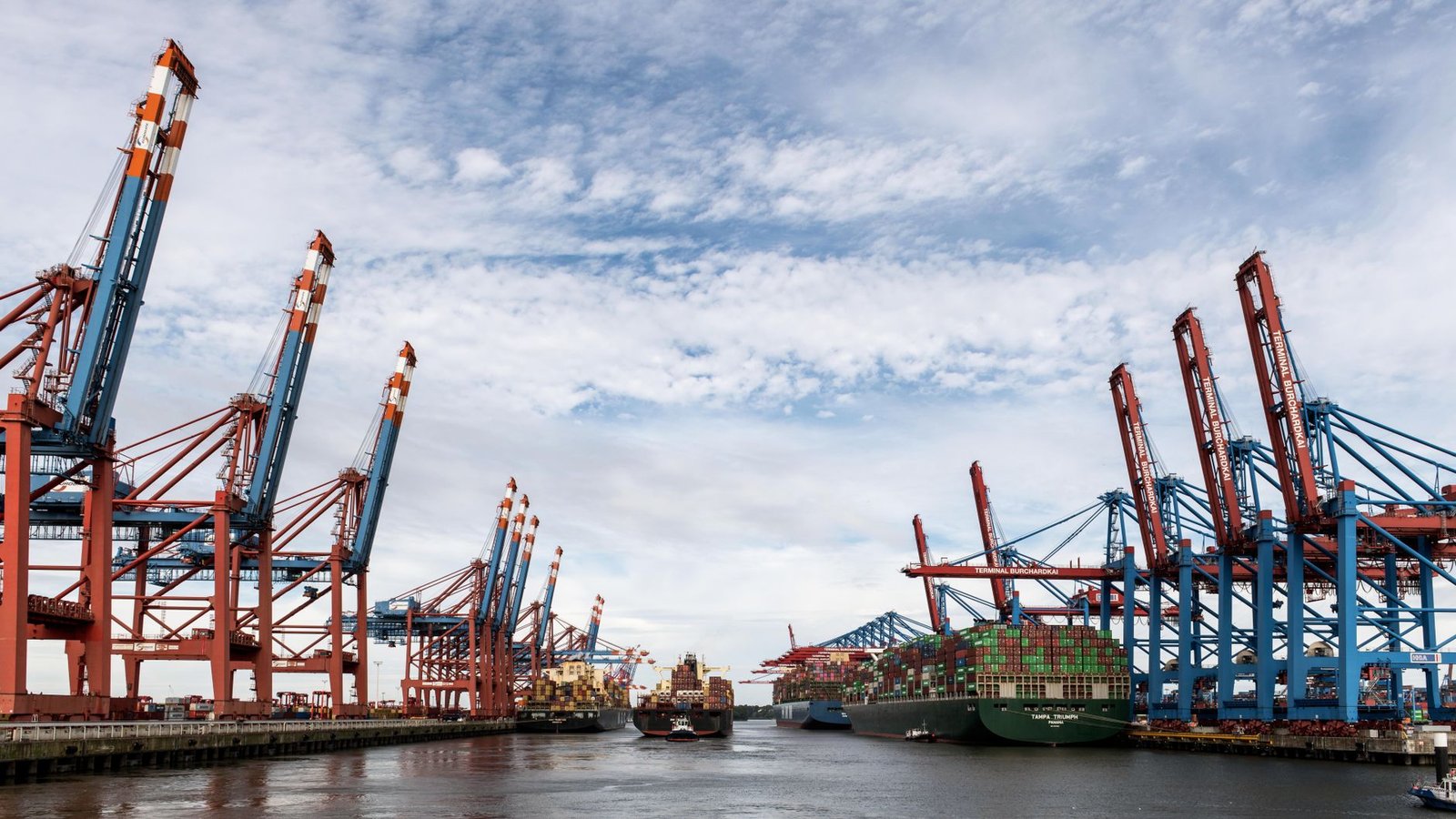
The Ocean Summit 2026 convened global leaders and industry experts to explore the evolving geopolitical landscape influencing maritime trade and oceanic resource management. The discussions underscored the ocean’s critical role amid rising geopolitical fragmentation, emphasizing its significance for global commerce, energy security, and strategic infrastructure.
Geopolitical Fragmentation and Maritime Trade
Participants highlighted how increasing geopolitical tensions are impacting maritime routes and trade flows. The fragmentation of international alliances and the emergence of regional power blocs have introduced complexities in securing open and reliable sea lanes. These developments pose challenges for multinational corporations and governments reliant on stable maritime logistics for supply chain continuity.
Strategic Importance of Maritime Chokepoints
The summit placed particular focus on key maritime chokepoints such as the Strait of Hormuz, the Malacca Strait, and the Suez Canal. These narrow passages remain vital arteries for global trade and energy transportation. Vulnerabilities in these areas, whether due to political instability or military posturing, could disrupt the flow of goods and commodities, with significant ripple effects on international markets.
Energy Security and Ocean Resources
Energy security emerged as a central theme, with discussions addressing the ocean’s role in supporting diversified energy supplies. Offshore energy infrastructure, including oil and gas platforms as well as emerging renewable technologies like offshore wind farms, were examined for their strategic value. The summit emphasized the need for resilient infrastructure and cooperative governance frameworks to mitigate risks associated with geopolitical uncertainties.
Implications for Investment and Infrastructure Development
From an investment perspective, the Ocean Summit 2026 highlighted opportunities and risks tied to maritime infrastructure projects. Stakeholders were encouraged to consider geopolitical factors when planning port expansions, shipping routes, and energy installations. The integration of advanced technologies and sustainable practices was also discussed as essential for enhancing operational efficiency and environmental stewardship in ocean-related industries.
Overall, the Ocean Summit 2026 provided a comprehensive analysis of how geopolitical currents are reshaping the maritime domain. The insights offered are critical for businesses, policymakers, and investors navigating the complexities of global trade and ocean governance in an increasingly fragmented world.
BusinessOnlyBusiness Editorial Team
Editorial content prepared with the support of artificial intelligence and the review of publicly available sources. While every effort has been made to ensure accuracy, occasional errors may occur. If you identify any inaccuracies or wish to request a correction, please contact the BusinessOnlyBusiness editorial team.
Source:
Deutsche Bank Wealth Management