

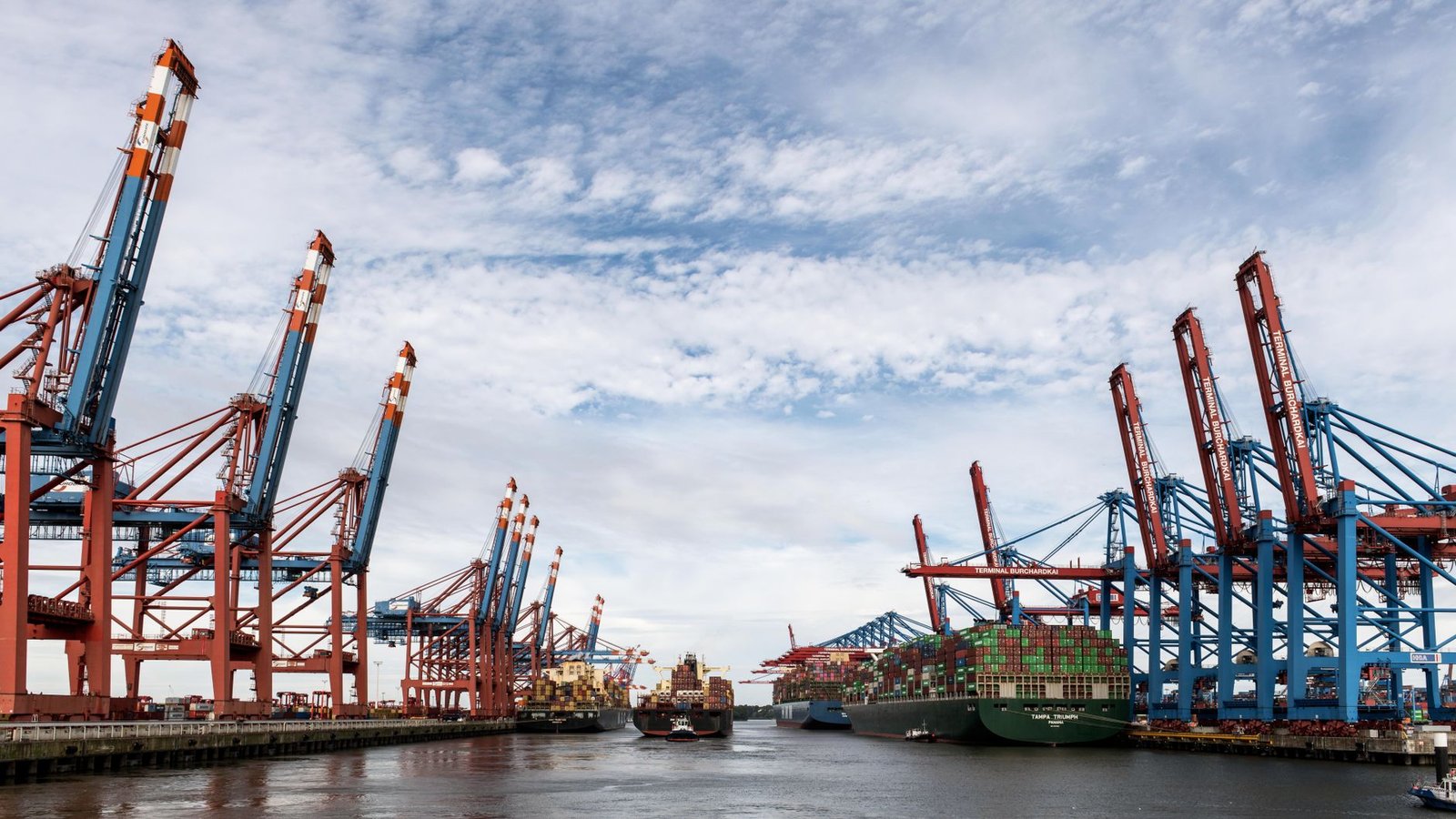
Ningbo, a historic port city with over two millennia of maritime heritage, is reinforcing its position in global trade by integrating smart manufacturing technologies with strategic initiatives linked to the Maritime Silk Road. This approach not only revitalizes Ningbo’s economic infrastructure but also strengthens international trade networks, particularly with Southeast Asia.
As one of China’s busiest ports, Ningbo has capitalized on its geographic advantage and historical ties to expand its global footprint. The city’s commitment to smart manufacturing—incorporating automation, data analytics, and advanced logistics—has enhanced operational efficiency and supply chain resilience. These developments align with broader efforts to modernize China’s manufacturing sector and promote sustainable trade practices.
Strategic Port Connectivity and Trade Expansion
Ningbo’s port serves as a critical node in the Maritime Silk Road, a component of China’s Belt and Road Initiative aimed at improving maritime trade routes between Asia, Africa, and Europe. By upgrading port facilities and integrating digital technologies, Ningbo has increased cargo throughput and reduced turnaround times, attracting international shipping lines and fostering greater trade volumes.
Collaborations with partner cities along the Maritime Silk Road have facilitated cultural and economic exchanges, creating a cohesive network that supports diversified trade flows. These partnerships enable Ningbo to tap into emerging markets and strengthen supply chains, particularly in sectors such as electronics, automotive components, and consumer goods.
Smart Manufacturing as a Catalyst for Competitiveness
The adoption of smart manufacturing practices in Ningbo has transformed traditional production models. Factories equipped with Internet of Things (IoT) devices, robotics, and artificial intelligence systems have improved product quality and reduced costs. This technological integration supports just-in-time manufacturing and enhances responsiveness to global market demands.
Moreover, Ningbo’s emphasis on innovation and digitalization aligns with international trends toward Industry 4.0, positioning the city as a competitive hub for manufacturing and export-oriented industries. These advancements contribute to attracting foreign investment and fostering entrepreneurship within the region.
Implications for International Business and Trade
Ningbo’s development exemplifies how port cities can leverage historical assets and modern technology to drive economic growth and international trade. The city’s experience offers insights into the importance of infrastructure modernization, cross-border collaboration, and digital transformation in enhancing global supply chains.
For multinational corporations and investors, Ningbo presents opportunities to engage with a dynamic manufacturing ecosystem supported by efficient logistics and strategic maritime connections. As global trade patterns evolve, Ningbo’s integration of smart manufacturing and port development serves as a model for sustainable and resilient economic expansion.
Looking ahead, continued investment in technology and international partnerships will be essential for Ningbo to maintain its competitive edge and contribute to the broader objectives of the Maritime Silk Road initiative.
BusinessOnlyBusiness Editorial Team
Editorial content prepared with the support of artificial intelligence and the review of publicly available sources. While every effort has been made to ensure accuracy, occasional errors may occur. If you identify any inaccuracies or wish to request a correction, please contact the BusinessOnlyBusiness editorial team.
Source:
Vietnam News