

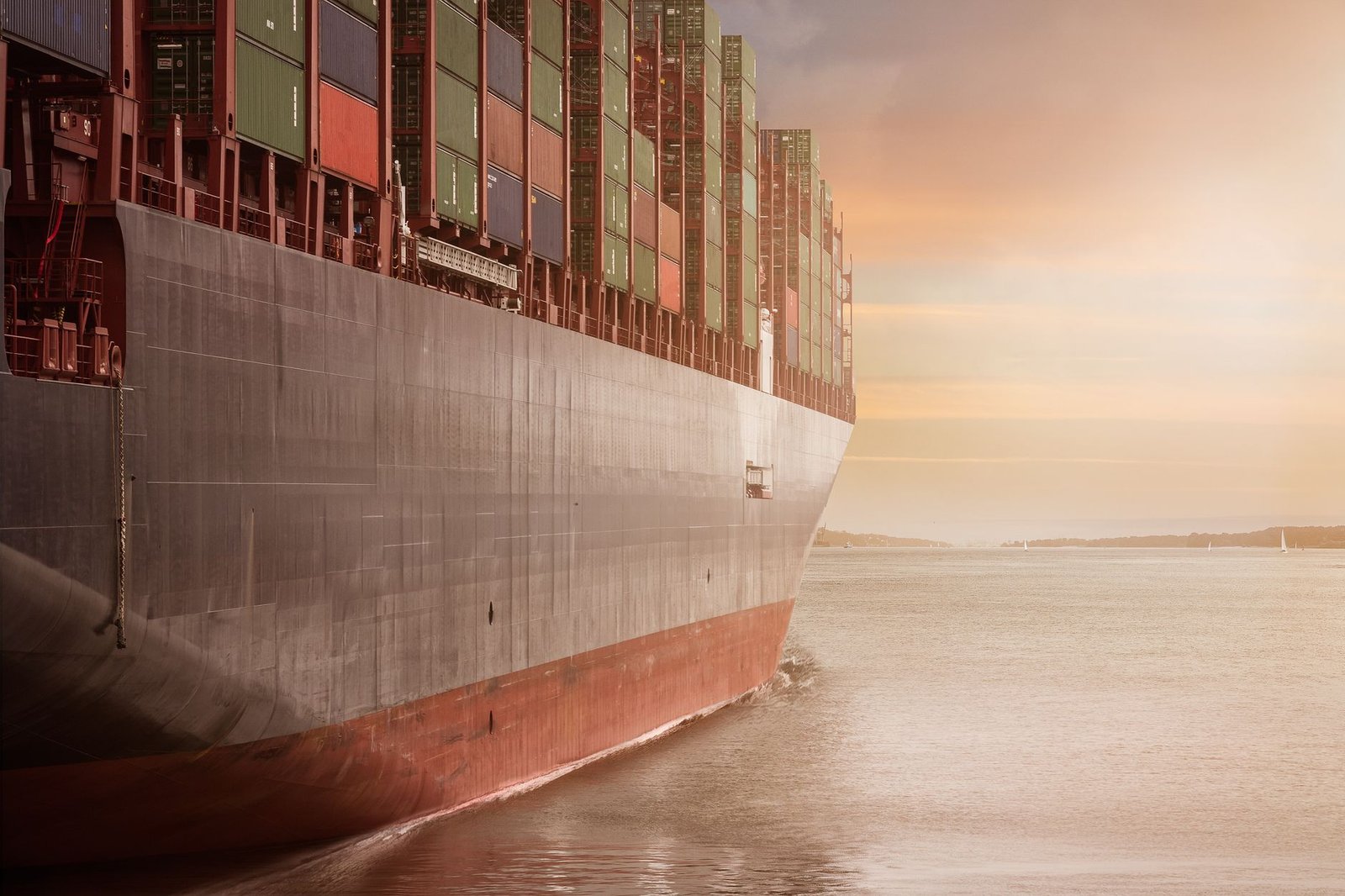
Trade finance plays a pivotal role in facilitating international commerce by providing the necessary liquidity and risk mitigation tools that enable businesses to engage in cross-border transactions. However, during periods of global crises—such as economic downturns, geopolitical tensions, or pandemics—the trade finance ecosystem faces significant challenges that can disrupt supply chains and restrict market access.
Impact of Crises on Trade Finance
Crises often lead to heightened uncertainty and risk aversion among financial institutions, resulting in tightened credit conditions. Banks and other trade finance providers may reduce their exposure to certain markets or sectors perceived as high risk, thereby limiting the availability of trade finance products such as letters of credit, guarantees, and export credit insurance. This contraction can disproportionately affect emerging markets and small to medium-sized enterprises (SMEs), which typically rely heavily on external financing to support their international trade activities.
Adaptive Strategies and Solutions
To mitigate these challenges, a combination of public and private sector interventions has proven essential. Development finance institutions and multilateral agencies often step in to provide counter-guarantees and risk-sharing mechanisms that encourage banks to maintain or expand trade finance offerings during turbulent times. Additionally, digital innovations and enhanced transparency in trade documentation have begun to streamline processes, reduce operational risks, and improve access to finance.
Moreover, diversification of trade finance sources, including non-bank financial institutions and fintech platforms, is emerging as a critical strategy to broaden the funding base and enhance resilience. These alternative providers can offer more flexible and tailored solutions, particularly for SMEs and businesses operating in underserved regions.
Long-Term Implications for Global Trade
Understanding the dynamics of trade finance during crises is crucial for policymakers and business leaders aiming to safeguard international trade flows and economic stability. Strengthening the infrastructure that supports trade finance—through regulatory frameworks, technological advancements, and collaborative partnerships—can help build a more robust system capable of withstanding future shocks.
As global markets continue to evolve, maintaining open channels for trade finance will remain a cornerstone of economic recovery and growth, enabling businesses to navigate uncertainties and capitalize on emerging opportunities.