

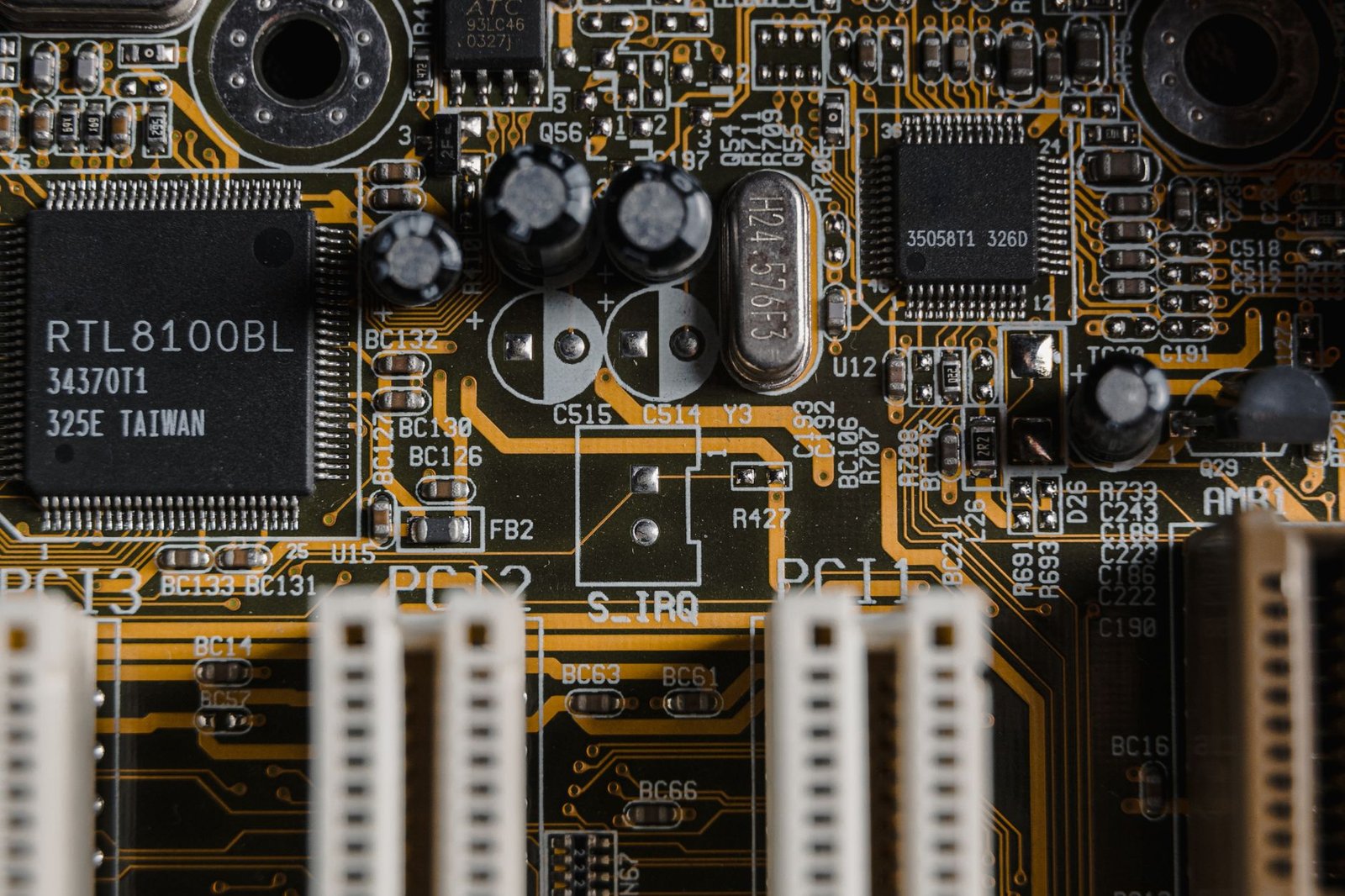
Japan has announced a significant tightening of its foreign direct investment (FDI) regulations, particularly targeting investments originating from China. This move aims to protect the nation’s strategically vital semiconductor and artificial intelligence (AI) sectors amid growing geopolitical and economic concerns.
Strategic Protection of Critical Technologies
The Japanese government’s decision reflects an increasing global trend where countries are reassessing foreign investments in sensitive industries. Semiconductors and AI are considered foundational technologies for economic competitiveness and national security. By imposing stricter screening processes, Japan seeks to prevent potential technology transfers or acquisitions that could undermine its technological edge.
Alignment with Global Regulatory Trends
Japan’s enhanced FDI screening measures coincide with similar regulatory developments in other major economies, notably the European Union. The EU has recently strengthened its FDI screening framework to better evaluate and manage risks associated with foreign investments in critical sectors. These parallel efforts underscore a broader international movement toward safeguarding key industries from foreign influence, particularly from countries viewed as strategic competitors.
Implications for International Business and Investment
For multinational corporations and investors, Japan’s regulatory shift signals a more cautious approach to cross-border investments in high-tech industries. Companies with interests in semiconductor manufacturing, AI development, and related supply chains may face increased scrutiny and longer approval timelines when engaging in transactions involving Chinese investors.
This development could influence investment flows and partnership strategies, prompting businesses to reassess risk management and compliance frameworks in the Asia-Pacific region. Moreover, it highlights the importance of understanding evolving geopolitical dynamics and regulatory environments when planning international expansion or mergers and acquisitions.
Broader Economic and Supply Chain Considerations
Japan’s semiconductor industry plays a critical role in global supply chains, providing essential components to various technology sectors worldwide. Protecting this industry aligns with efforts to enhance supply chain resilience amid recent disruptions and geopolitical tensions.
Similarly, AI technologies are increasingly integral to innovation across multiple sectors, including manufacturing, finance, and healthcare. Ensuring domestic control over AI advancements is viewed as crucial for maintaining competitive advantages and safeguarding data security.
Future Outlook
As Japan implements these tighter investment controls, businesses and policymakers will closely monitor the impact on foreign investment patterns and technological collaboration. The balance between openness to international capital and protection of strategic assets will remain a key consideration in shaping Japan’s economic and security policies.
Overall, Japan’s move reflects a strategic recalibration in response to evolving global challenges, emphasizing the intersection of technology, security, and international investment governance.
BusinessOnlyBusiness Editorial Team
Editorial content prepared with the support of artificial intelligence and the review of publicly available sources. While every effort has been made to ensure accuracy, occasional errors may occur. If you identify any inaccuracies or wish to request a correction, please contact the BusinessOnlyBusiness editorial team.
Source:
Chosunbiz