

Indonesia Archipelago Economy and Southeast Asia Expansion
Global business insights and market intelligence.
Overview
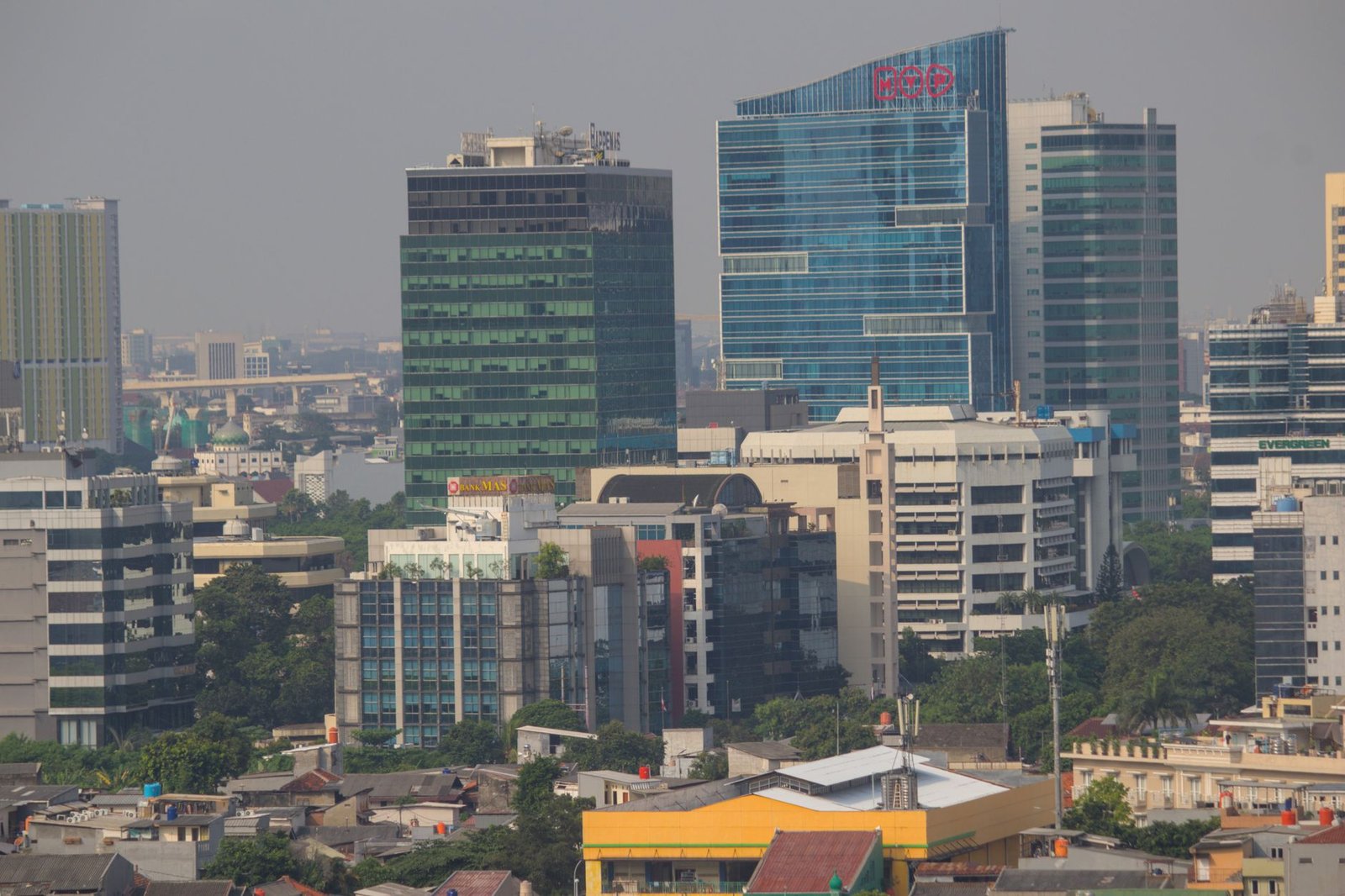
Indonesia, as the world’s fourth most populous country with over 270 million people, stands out as a powerhouse in Southeast Asia. Its vast archipelago spanning over 17,000 islands creates unique economic diversity, from resource-rich provinces to urban centers like Jakarta that drive innovation and commerce. Indonesia’s economic growth is primarily fueled by domestic consumption, commodity exports such as palm oil, coal, and natural gas, and an emergent digital economy that ranks among the fastest growing globally. With ongoing reforms focused on improving the business climate, foreign investment inflows are accelerating, particularly in infrastructure, manufacturing, and technology sectors. Due to its strategic location and membership in ASEAN, Indonesia serves as a critical entry point for companies aiming to scale operations across Southeast Asia, benefitting from regional integration agreements and expanding intra-ASEAN trade.
Key Data
| Attribute | Details |
|---|---|
| Population | Approximately 273 million (2024) |
| GDP (Nominal) | US$1.3 trillion (2023) |
| GDP Growth Rate | Estimated 5.1% (2024 forecast) |
| Key Export Commodities | Palm oil, coal, petroleum products, rubber, coffee, and natural gas |
| Digital Economy Size | US$70 billion+ and growing at 30% annually |
| Ease of Doing Business Ranking | 73rd globally (World Bank, 2023) |
| Primary Languages | Bahasa Indonesia (official), English widely used in business |
| Currency | Indonesian Rupiah (IDR) |
Business Opportunities
- Population-Driven Market Growth: Indonesia’s youthful demographic and rising middle class stimulate massive demand in retail, financial services, telecommunications, and consumer goods sectors. Tailored products and services that address urbanization trends and digital adoption are particularly promising.
- Commodity Exports & Value-Added Processing: Abundance in palm oil, mining products, and agricultural commodities offers opportunities not only in raw exports but in downstream processing, supply chain optimization, and sustainable sourcing initiatives.
- Digital Economy and Tech Ecosystem: With the digital economy expanding rapidly, sectors including e-commerce, fintech, ride-hailing, and digital payments present high-growth targets, supported by favorable government programs and increasing internet penetration.
- Infrastructure Development: Ongoing investments in ports, roads, aviation, and energy infrastructure create openings for construction firms, equipment suppliers, and technology providers, particularly in remote and emerging regions.
- Regulatory Environment Insight: Indonesia is actively enhancing its regulatory framework to attract foreign investment, simplifying licensing and investment procedures through initiatives like the Online Single Submission (OSS) system. However, companies must navigate complex regional regulations and cultivate strong local partnerships to ensure compliance.
- Strategic Entry Point to ASEAN: As the largest ASEAN economy, Indonesia offers companies an advantageous platform for regional expansion due to preferential trade agreements, improving logistics corridors, and growing intra-ASEAN consumer markets.
Frequently Asked Questions
What are the key sectors driving Indonesia’s economic growth?
The primary sectors include commodities (palm oil, mining, agriculture), manufacturing, digital services (e-commerce, fintech), and infrastructure development. Additionally, the creative economy and tourism are poised for growth post-pandemic.
How favorable is Indonesia’s regulatory environment for foreign investors?
Indonesia has made significant reforms to improve ease of doing business, such as streamlining investment approvals and reducing bureaucratic hurdles. However, challenges remain in regional regulatory variations and permitting. Engaging with local legal experts and partners is highly recommended.
What makes Indonesia a strategic base for Southeast Asia expansion?
Indonesia’s large consumer market, strategic position within ASEAN, and improving connectivity make it an ideal launchpad for regional distribution and services. Preferential trade agreements across ASEAN also ease tariff and non-tariff barriers for companies operating through Indonesia.
How is the digital economy shaping business opportunities in Indonesia?
The digital economy is transforming traditional models, with rapid growth in e-commerce, digital payments, online services, and start-ups. Companies that leverage technology, local market insights, and partnerships can capitalize on expanding digital consumer bases.