

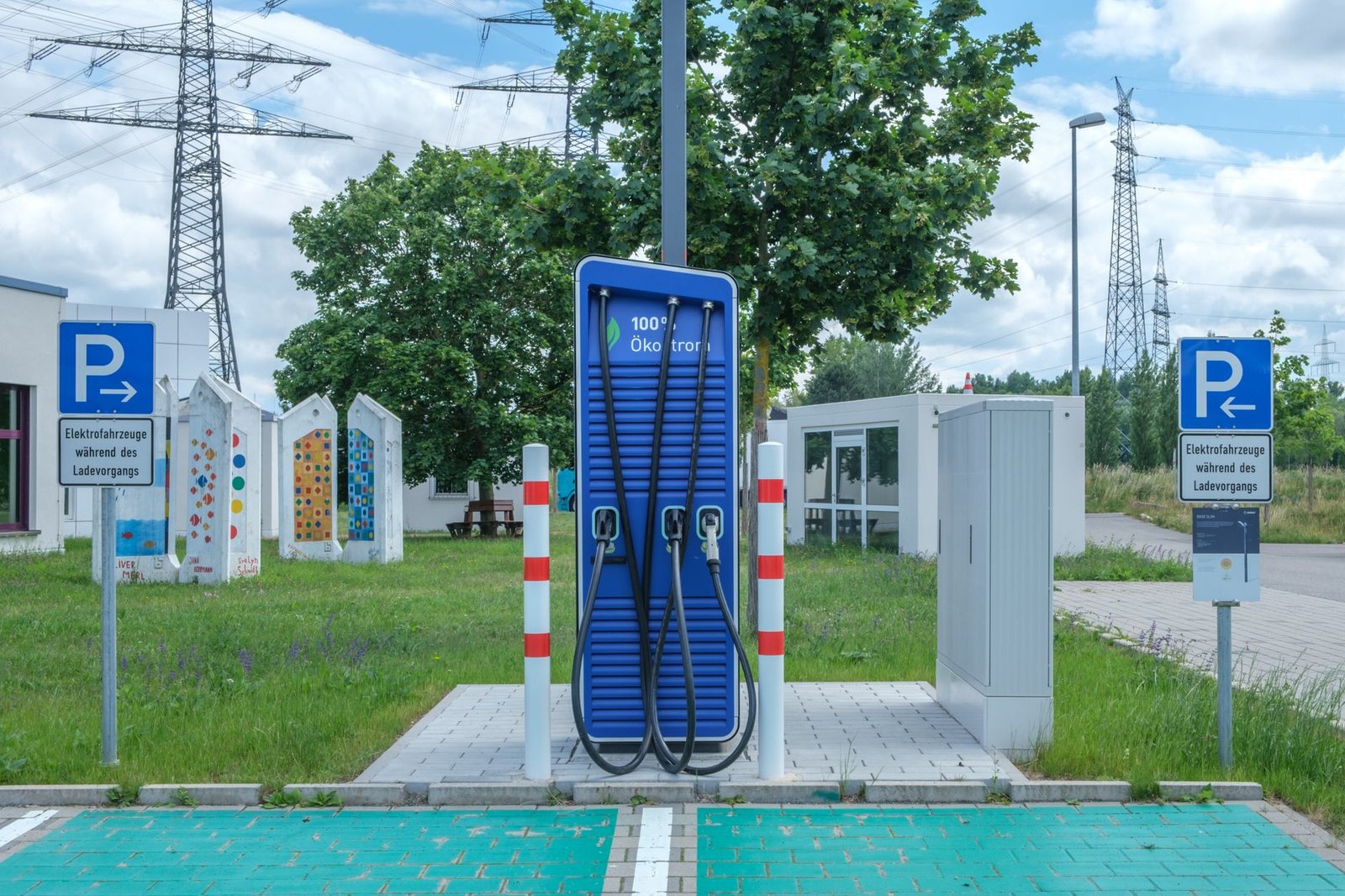
The global passenger car market is navigating a period of transformation, with projections indicating steady growth through 2034. This outlook is largely influenced by the rapid expansion of electric vehicle (EV) infrastructure, which is reshaping market dynamics and creating new opportunities for manufacturers, investors, and policymakers.
Despite ongoing fluctuations in the automotive sector, including supply chain disruptions and shifting consumer preferences, the increasing availability of EV charging stations and supportive government policies are fostering a favorable environment for electric passenger cars. This infrastructure development is critical to addressing range anxiety and improving the overall adoption rate of EVs worldwide.
Market Trends and Drivers
Key factors driving the passenger car market include technological advancements, environmental regulations, and changing consumer behavior. Automakers are investing heavily in electric and hybrid models to meet stricter emissions standards and capitalize on growing demand for sustainable transportation solutions.
Additionally, urbanization and rising disposable incomes in emerging economies are contributing to increased vehicle ownership, further bolstering market growth. The integration of smart technologies and connectivity features in passenger cars is also enhancing their appeal, offering improved safety and convenience.
Investment and Infrastructure Development
Infrastructure expansion remains a cornerstone for market development. Governments and private entities are collaborating to build extensive EV charging networks, which are essential for supporting long-distance travel and daily commuting needs. These investments not only facilitate EV adoption but also stimulate economic activity through job creation and technological innovation.
Furthermore, advancements in battery technology and cost reductions are expected to make electric passenger cars more accessible to a broader consumer base, encouraging further market penetration.
Challenges and Market Stability
Despite positive growth indicators, the passenger car market faces challenges such as raw material price volatility, semiconductor shortages, and geopolitical tensions that can disrupt supply chains. Manufacturers must navigate these complexities while maintaining competitive pricing and meeting regulatory requirements.
Market participants are also adapting to evolving trade policies and tariffs that impact production and distribution strategies globally. Strategic partnerships and diversification of supply sources are becoming increasingly important to mitigate risks.
Outlook
Looking ahead, the passenger car market is expected to benefit from sustained investments in EV infrastructure and technological innovation. Stakeholders across the automotive ecosystem are positioned to capitalize on emerging trends by aligning their strategies with the evolving landscape of mobility.
As the transition toward electrification accelerates, the market will likely experience shifts in competitive dynamics, with new entrants and traditional manufacturers vying for market share in a rapidly changing environment.
Official Resources
For more detailed insights and data, refer to the full market report available at Market Data Forecast.
BusinessOnlyBusiness Editorial Team
Editorial content prepared with the support of artificial intelligence and the review of publicly available sources. While every effort has been made to ensure accuracy, occasional errors may occur. If you identify any inaccuracies or wish to request a correction, please contact the BusinessOnlyBusiness editorial team.