

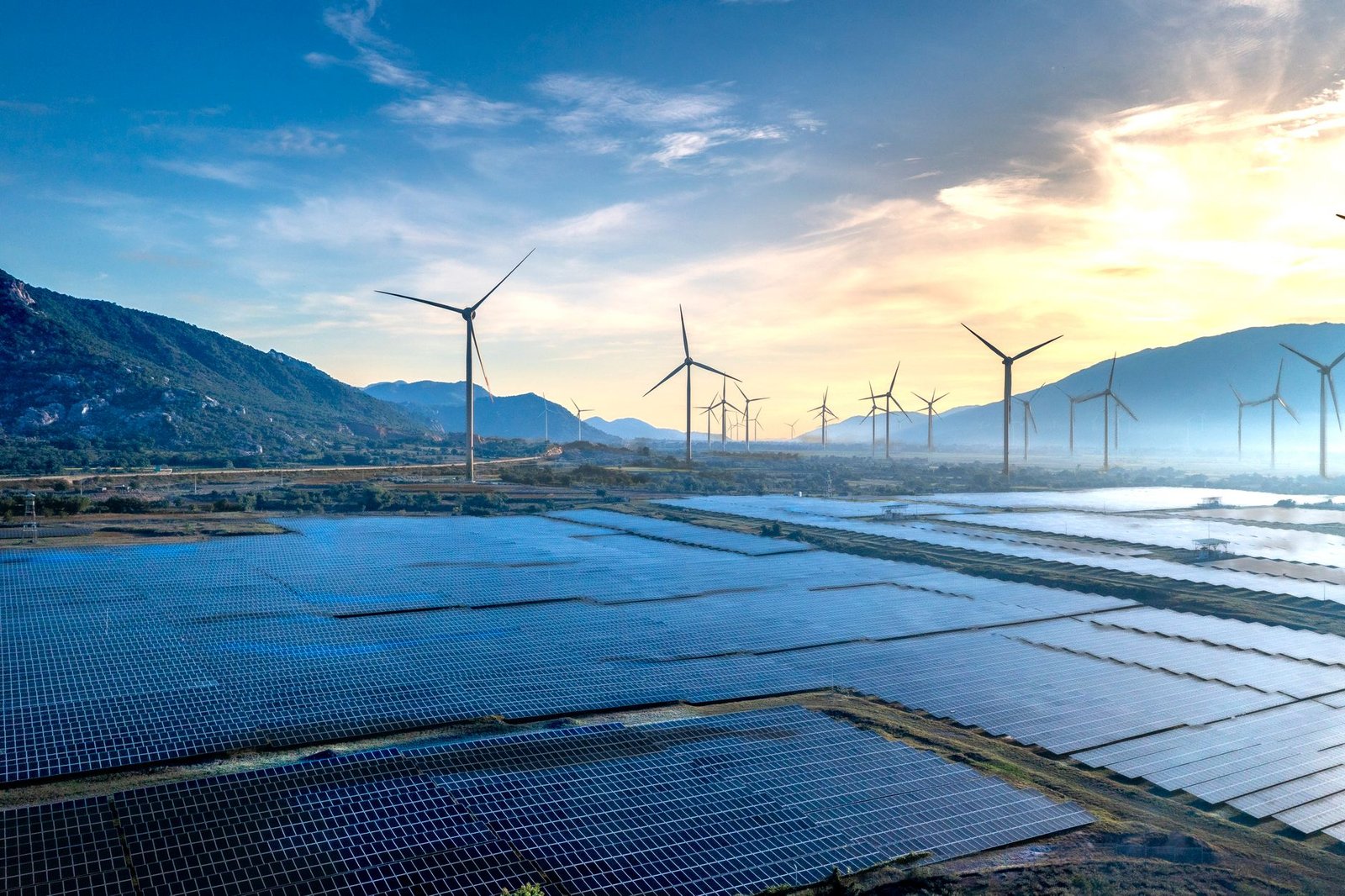
The European Union’s Emissions Trading System (EU ETS) has established itself as a pivotal mechanism in regulating industrial carbon emissions, influencing manufacturers across the region to adjust their operations in response to carbon pricing. Recent survey data highlights that while the system effectively incentivizes emission reductions, significant industrial decarbonisation remains a future challenge.
Impact of Carbon Pricing on Industrial Sectors
Manufacturers subject to the EU ETS have demonstrated responsiveness to the carbon price signals embedded in the system. This responsiveness manifests in operational adjustments aimed at reducing emissions and improving energy efficiency. The EU ETS, by setting a market price on carbon emissions, encourages industries to innovate and transition towards lower-carbon technologies.
However, the survey findings indicate that despite these positive trends, the majority of deep decarbonisation efforts in heavy industry are yet to be realized. The complexity and capital intensity of industrial processes mean that transformative changes require sustained investment and long-term strategic planning.
Need for Policy Certainty and Stringency
One of the key insights from the survey is the demand from regulated manufacturers for clearer and more predictable policy frameworks. Companies emphasize the importance of understanding the future trajectory of carbon pricing and regulatory stringency to justify investments in low-carbon technologies.
Uncertainty around policy direction can hinder the willingness of firms to commit to costly decarbonisation projects. As a result, policymakers face the challenge of balancing ambition with stability to foster an environment conducive to industrial transformation.
Implications for International Markets and Investment
The EU ETS serves as a benchmark for carbon regulation globally and influences international trade dynamics. As European industries adapt to carbon pricing, their competitiveness in global markets depends on the alignment of climate policies across jurisdictions.
Investors are increasingly attentive to environmental, social, and governance (ESG) factors, with carbon pricing mechanisms playing a critical role in assessing industrial risk profiles. Clear and stringent EU policies can enhance investor confidence, driving capital towards sustainable industrial innovation and infrastructure upgrades.
Looking Ahead
While the EU ETS has demonstrated efficacy in initiating emission reductions, the path to comprehensive industrial decarbonisation requires sustained policy commitment and collaboration between regulators and industry stakeholders. Strengthening the predictability and ambition of carbon pricing will be essential to unlocking the full potential of low-carbon technologies and ensuring the EU’s leadership in sustainable industrial development.