

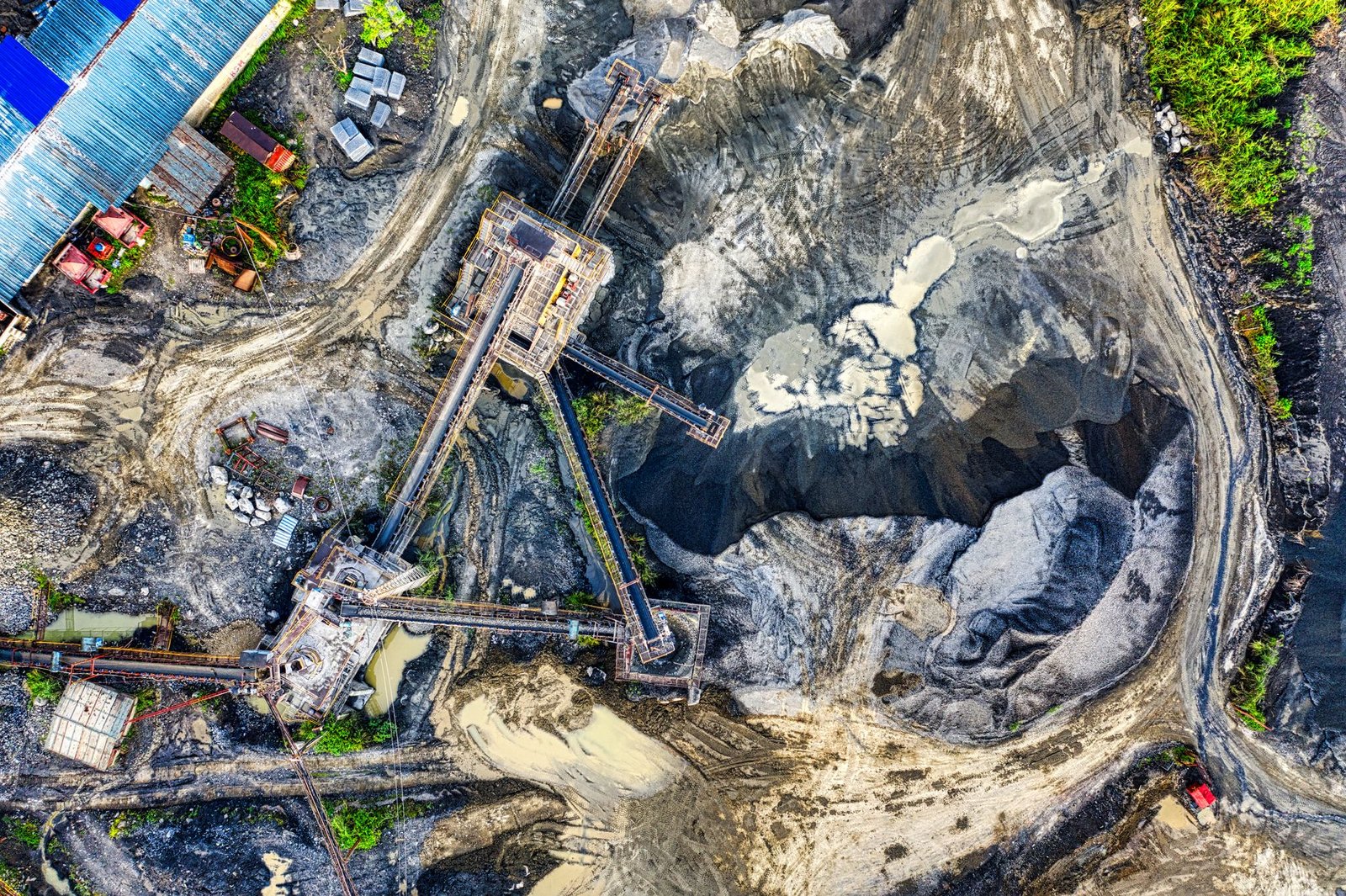
The European Union is intensifying efforts to secure a stable and sustainable supply of critical raw materials essential for its industrial and technological sectors. As global demand for these inputs rises, the EU faces increasing competition from other major economies, necessitating a strategic approach to trade, investment, and supply chain management.
Strategic Importance of Critical Raw Materials
Critical raw materials, including rare earth elements, lithium, cobalt, and others, are fundamental to the production of advanced technologies such as electric vehicles, renewable energy systems, and digital infrastructure. The EU’s industrial ambitions, particularly in green and digital transitions, depend heavily on access to these materials.
Challenges in Supply Security
The EU’s reliance on imports for a significant share of its critical raw materials exposes it to geopolitical risks, supply disruptions, and price volatility. Concentration of production and processing capacities in a limited number of countries further exacerbates vulnerabilities. Additionally, environmental and social concerns in extraction and processing regions pose challenges to sustainable sourcing.
Policy Measures for Supply Chain Resilience
To address these issues, the EU is advancing policies aimed at diversifying supply sources, promoting domestic extraction and processing where feasible, and fostering recycling and circular economy practices. Strengthening partnerships with resource-rich countries through trade and investment agreements is also a priority, enhancing transparency and sustainability standards in supply chains.
Investment in research and innovation is critical to developing alternative materials and improving extraction and processing technologies. The EU’s approach integrates economic competitiveness with environmental and social governance criteria to ensure long-term supply security.
International Cooperation and Market Dynamics
Given the global nature of raw materials markets, the EU emphasizes multilateral cooperation to stabilize markets and prevent distortions. Engagement with international organizations and adherence to trade rules aim to create a level playing field and mitigate risks associated with export restrictions and market concentration.
By aligning industrial policy with trade and investment strategies, the EU seeks to enhance its autonomy while remaining integrated in global value chains. This balance is crucial for sustaining economic growth and technological leadership.
Outlook
The EU’s comprehensive strategy to secure critical raw materials supply reflects the complex interplay of market forces, geopolitical considerations, and sustainability imperatives. Ongoing policy refinement and stakeholder collaboration will be essential to navigate the evolving landscape and ensure resilient, responsible access to these vital inputs.
Official Resources
BusinessOnlyBusiness Editorial Team
Editorial content prepared with the support of artificial intelligence and the review of publicly available sources. While every effort has been made to ensure accuracy, occasional errors may occur. If you identify any inaccuracies or wish to request a correction, please contact the BusinessOnlyBusiness editorial team.