

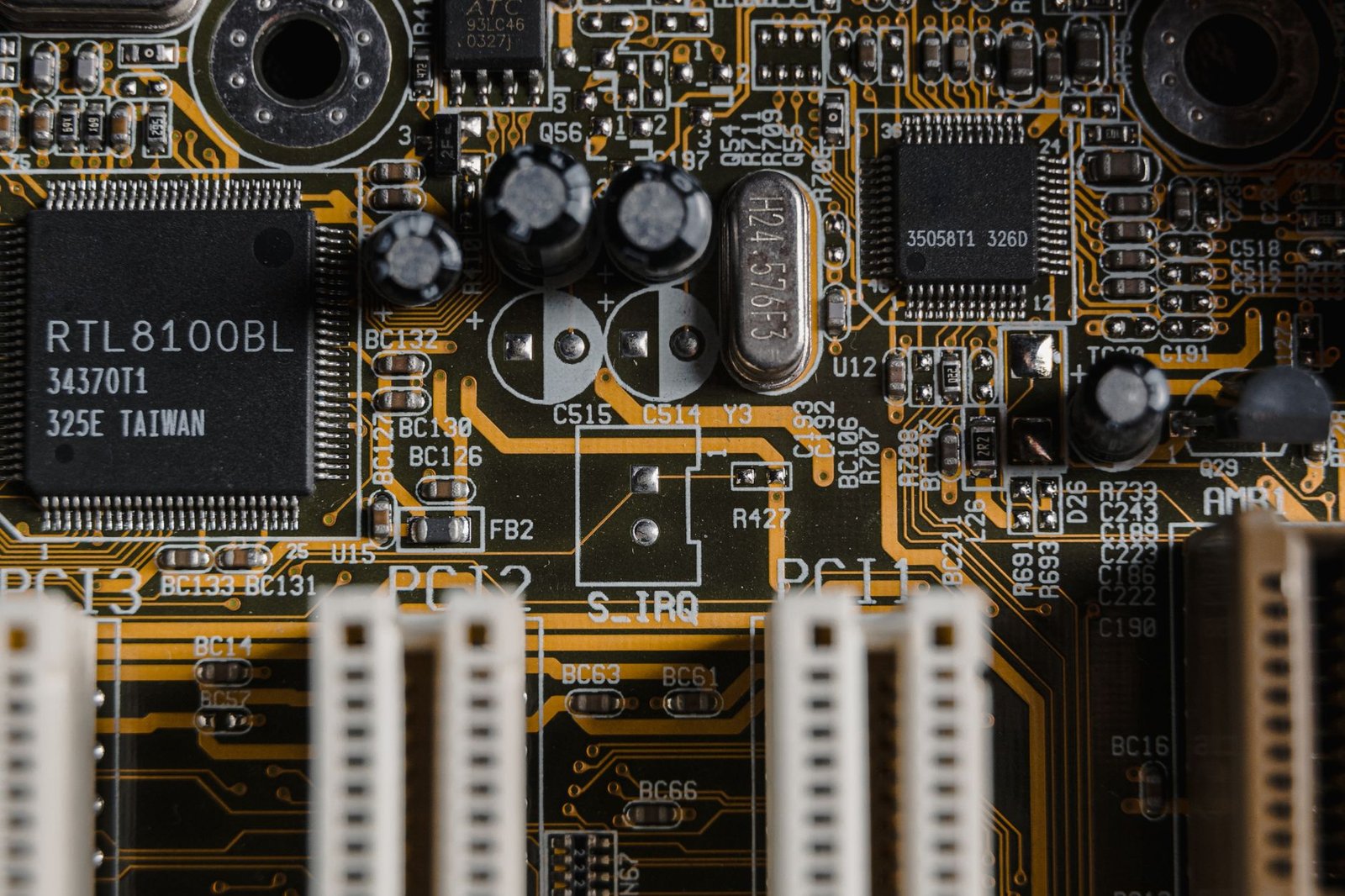
Investment flows into emerging markets are increasingly influenced by the semiconductor industry, particularly in the context of artificial intelligence (AI) chip production. Recent market data indicates that exchange-traded funds (ETFs) centered on South Korea and Taiwan have outperformed those focused on China, reflecting a strategic shift among investors towards regions with advanced semiconductor manufacturing capabilities.
South Korea and Taiwan have long been recognized as pivotal players in the global semiconductor supply chain. Companies based in these countries, such as Taiwan Semiconductor Manufacturing Company (TSMC) and Samsung Electronics, are at the forefront of producing cutting-edge chips essential for AI applications. This leadership has attracted significant capital, as investors seek exposure to the growth potential of AI-driven technologies.
Investment Dynamics in Emerging Markets
The semiconductor sector’s prominence in emerging markets is reshaping traditional investment patterns. Historically, China-focused ETFs dominated due to the country’s vast consumer base and manufacturing infrastructure. However, escalating geopolitical tensions and supply chain disruptions have prompted investors to diversify their portfolios, favoring markets with more stable production environments and technological expertise.
South Korea and Taiwan’s semiconductor industries benefit from robust research and development ecosystems, government support, and established global partnerships. These factors contribute to their resilience and capacity to meet the increasing demand for AI chips, which are integral to various sectors including automotive, telecommunications, and data centers.
Implications for Global Supply Chains and Trade
The concentration of AI chip manufacturing in South Korea and Taiwan underscores the strategic importance of these markets in the global technology supply chain. Their dominance influences trade flows, investment decisions, and infrastructure development within the semiconductor ecosystem. Companies worldwide depend on these regions for critical components, making their economic stability and innovation capabilities vital to international business operations.
Moreover, the shift in investment focus highlights the need for diversified supply chains to mitigate risks associated with geopolitical uncertainties and production bottlenecks. Investors and corporations alike are reassessing their exposure to various emerging markets, balancing growth prospects with operational security.
Future Outlook
As AI technologies continue to evolve, demand for specialized chips is expected to grow substantially. South Korea and Taiwan are well-positioned to capitalize on this trend, supported by ongoing investments in manufacturing capacity and technological advancement. For investors, these markets offer opportunities aligned with the broader digital transformation shaping global industries.
In summary, the emerging market landscape is being redefined by the semiconductor sector’s influence, with South Korea and Taiwan emerging as key beneficiaries of AI chip demand. This development carries significant implications for market strategies, supply chain management, and international trade dynamics.
Official Resources
Original Article on Yahoo Finance