

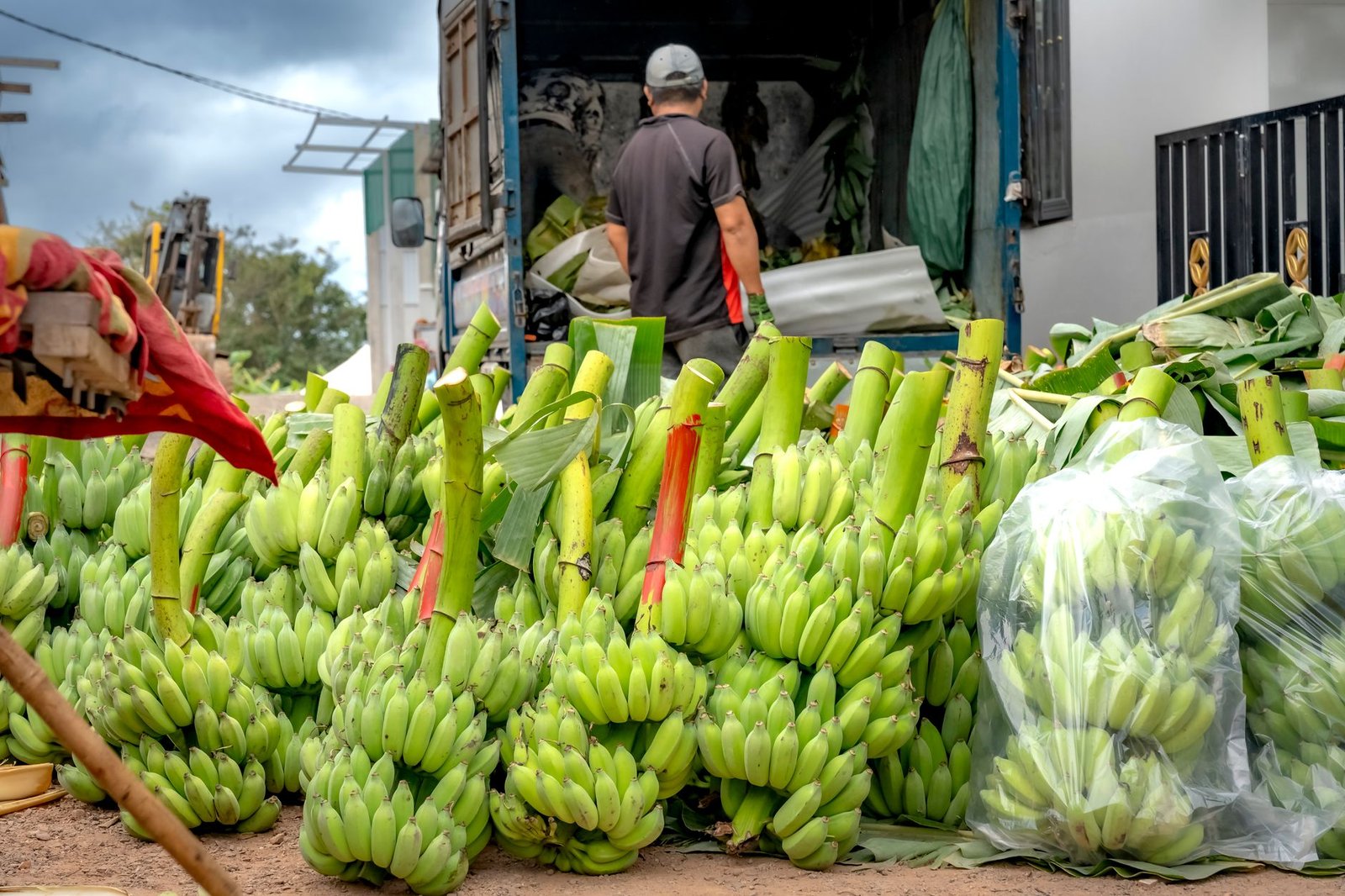
Global food industry leaders are experiencing a notable shift in growth dynamics, as emerging markets in Asia and Latin America become key drivers of revenue expansion. While traditional developed markets face stagnation, multinational food companies are capitalizing on rising consumer demand and evolving market conditions in these regions.
Industry reports indicate that major food corporations are reporting higher revenue growth rates in emerging economies compared to their mature counterparts in North America and Europe. This trend reflects broader economic developments, including increasing urbanization, rising disposable incomes, and changing dietary preferences among expanding middle-class populations.
Market Expansion and Consumer Trends
Emerging markets present significant opportunities for food companies due to demographic shifts and growing consumer sophistication. In Asia, rapid urban growth and increased access to modern retail channels have facilitated the introduction of diverse food products. Similarly, Latin America’s expanding middle class is driving demand for convenience foods, packaged goods, and premium offerings.
These regions also offer a fertile environment for innovation, with companies tailoring products to local tastes and nutritional trends. The adaptability of global food corporations to regional preferences is a critical factor in their success, enabling them to capture market share and build brand loyalty.
Challenges and Strategic Considerations
Despite the promising growth prospects, operating in emerging markets entails navigating complex regulatory landscapes, supply chain logistics, and competitive pressures from local players. Companies must invest in infrastructure, distribution networks, and compliance to sustain long-term growth.
Moreover, geopolitical uncertainties and currency fluctuations remain risks that require strategic management. Firms are increasingly adopting localized strategies to mitigate these challenges while leveraging global scale advantages.
Implications for Investors and Stakeholders
The shift toward emerging markets underscores the importance of geographic diversification for investors in the food sector. Companies with strong footholds in Asia and Latin America are positioned to benefit from higher growth trajectories, potentially offsetting slower performance in developed economies.
Stakeholders should monitor evolving consumer behaviors, regulatory developments, and competitive dynamics within these markets to assess investment opportunities and risks effectively.