

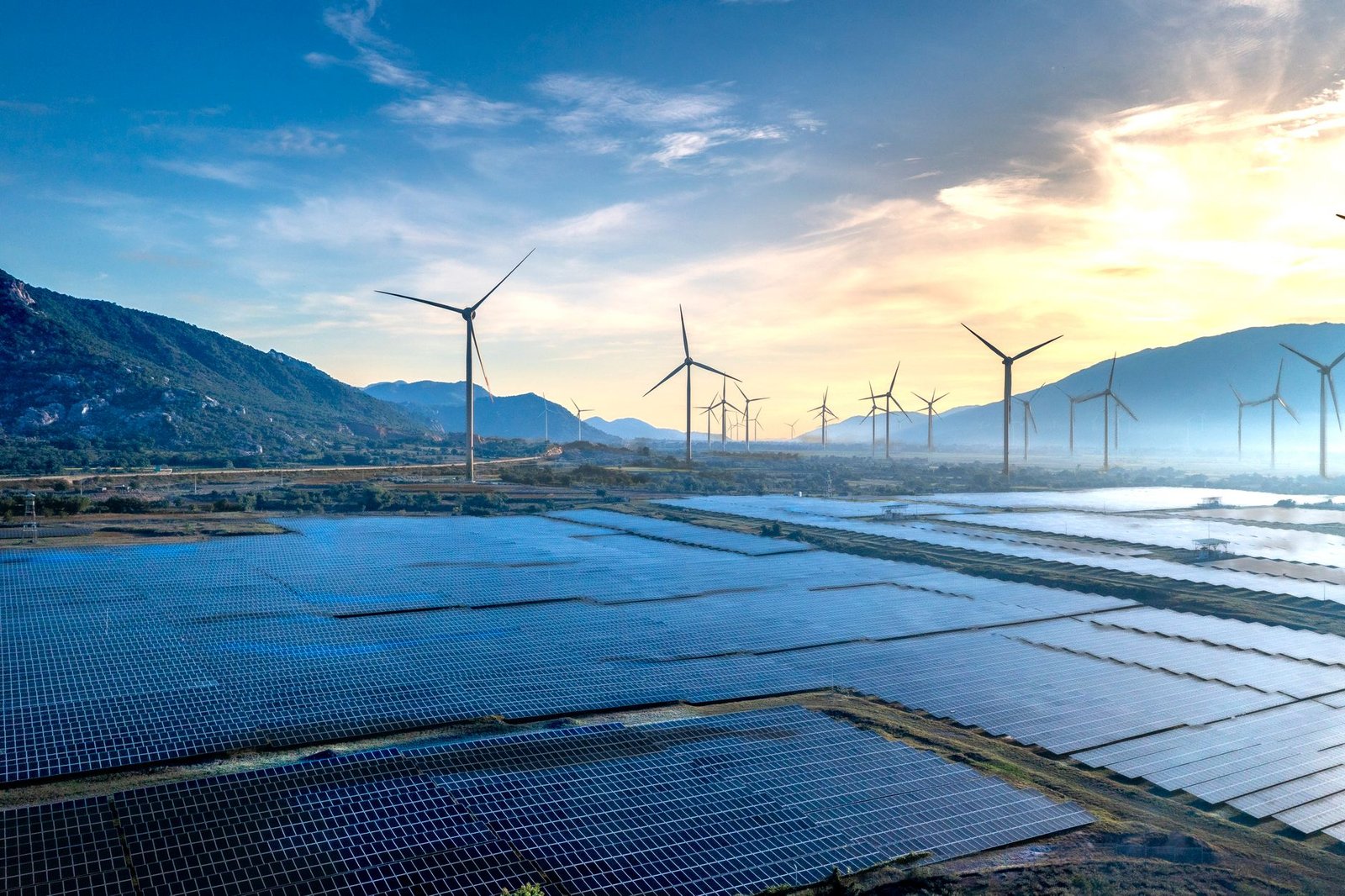
Recent analyses indicate that the cancellation of clean energy projects across the United States has had a substantial negative impact on the national economy. According to data compiled by environmental and economic analysts, these project terminations have resulted in the loss of approximately 470,000 jobs and have cost the U.S. economy hundreds of billions of dollars in gross domestic product (GDP).
Job Market Consequences
The clean energy sector has been a significant source of employment growth, providing opportunities in manufacturing, construction, engineering, and operations. The abrupt halting of numerous projects has disrupted this momentum, leading to widespread job losses. These cancellations affect not only direct employment within renewable energy firms but also ripple through supply chains and ancillary industries, including equipment suppliers and logistics providers.
GDP and Economic Growth Implications
The economic ramifications extend beyond employment figures. The clean energy industry contributes to GDP through capital investments, operational expenditures, and innovation-driven productivity gains. Project cancellations have curtailed these contributions, resulting in a measurable contraction in economic output. This setback poses challenges to the broader goals of sustainable economic growth and energy transition.
Market and Investment Considerations
Investors and market participants are closely monitoring these developments, as project cancellations introduce uncertainty into the clean energy investment landscape. The disruptions may influence capital allocation decisions, risk assessments, and long-term strategic planning within the sector. Maintaining investor confidence is critical to sustaining momentum in clean energy deployment.
Policy and Infrastructure Context
These findings underscore the importance of stable and supportive policy frameworks to facilitate the advancement of clean energy infrastructure. Regulatory clarity, streamlined permitting processes, and targeted incentives are essential to mitigate project risks and encourage continued investment. The interplay between policy environments and market dynamics remains a pivotal factor in shaping the future trajectory of the clean energy economy.
As the United States navigates its energy transition, addressing the causes and consequences of clean energy project cancellations will be vital to preserving economic benefits and achieving sustainability objectives.
Official Resources
For detailed information, refer to the original report by E2.org: https://e2.org/releases/cancellations-impact-report-2026/