

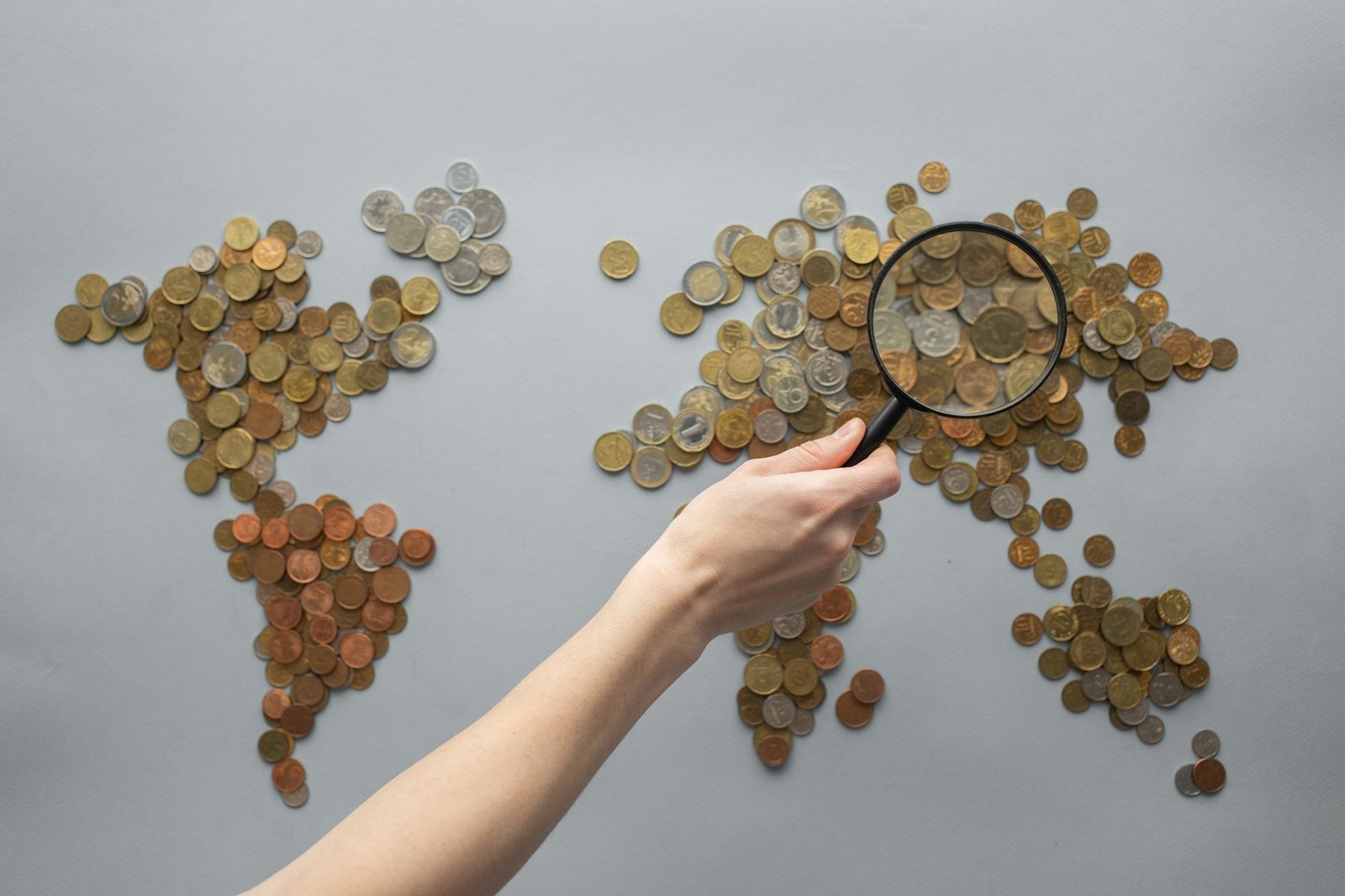
The recently negotiated trade agreement between Mercosur, a South American trade bloc, and the European Union (EU) has garnered attention for its potential to reshape international economic dynamics. Beyond tariff reductions, this accord is poised to influence global gross domestic product (GDP), trade volumes, and foreign direct investment (FDI) patterns.
Economic Growth and Trade Expansion
Analyses indicate that the Mercosur–EU agreement could contribute to an increase in global GDP by facilitating smoother market access and reducing trade barriers. For Mercosur countries—including Argentina, Brazil, Paraguay, and Uruguay—this presents an opportunity to diversify export markets and enhance competitiveness in sectors such as agriculture, manufacturing, and services.
On the EU side, the agreement opens avenues for European companies to expand their presence in South America, potentially increasing trade flows and fostering deeper economic integration. The reduction of tariffs and non-tariff barriers is expected to stimulate bilateral trade, benefiting industries on both continents.
Foreign Direct Investment and Supply Chain Implications
Beyond trade, the agreement is anticipated to encourage increased FDI between the regions. By establishing clearer regulatory frameworks and improving market predictability, investors may find enhanced incentives to commit capital to cross-border ventures. This could lead to the development of more integrated supply chains, leveraging comparative advantages across Mercosur and EU member states.
Improved investment flows can also support infrastructure development and technology transfer, contributing to productivity gains and economic diversification in Mercosur economies.
Challenges and Considerations
Despite the potential benefits, the agreement faces challenges related to regulatory alignment, environmental standards, and political considerations within member countries. Ensuring that the agreement supports sustainable development and addresses concerns such as deforestation and labor rights will be critical for its long-term success.
Moreover, the global economic environment, including shifts in trade policies and geopolitical tensions, will influence the realization of the agreement’s full potential.
Overall, the Mercosur–EU trade agreement represents a significant development in international trade relations, with implications that extend beyond tariff reductions to encompass broader economic transformation opportunities.
Official Resources
For further details, the Inter-American Development Bank provides comprehensive analysis and insights on the Mercosur–EU agreement at their official blog.