

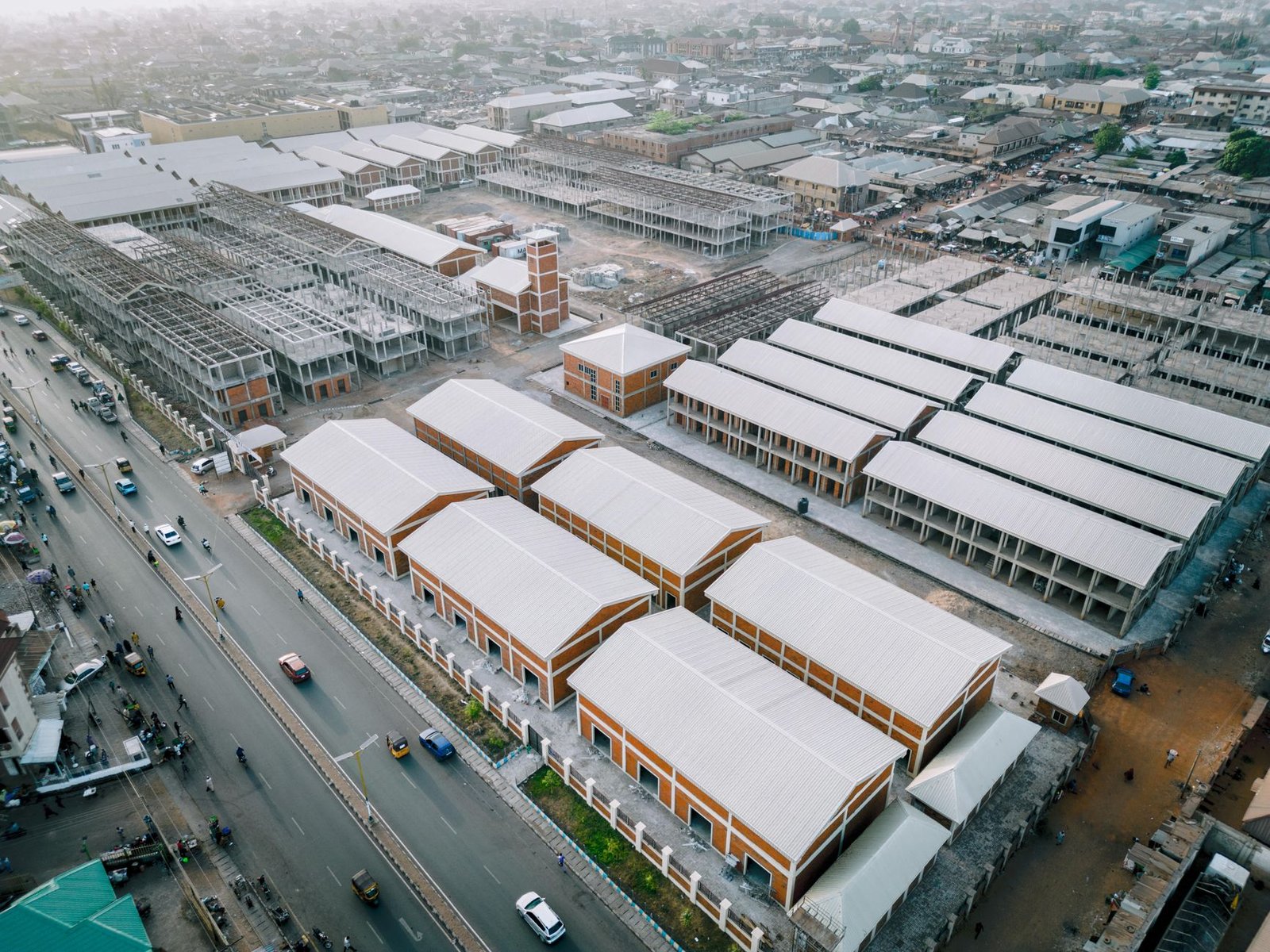
In 2025, Africa secured approximately $70 billion in foreign direct investment (FDI), reflecting a slight decline from the $94 billion recorded in 2024. This trend underscores both the continent’s growing appeal to global investors and the pressing need to translate these inflows into more diversified and sustainable industrial growth.
The United Nations Conference on Trade and Development (UNCTAD) highlights that while Africa continues to attract significant capital, the challenge lies in leveraging these investments to foster broader industrialization. The continent’s economic landscape remains heavily reliant on extractive industries and commodity exports, which limits the potential for inclusive economic development and value addition.
Investment Patterns and Sectoral Focus
FDI inflows have predominantly targeted sectors such as mining, energy, and telecommunications. These sectors offer immediate returns and are pivotal to infrastructure development. However, the concentration of investment in resource-based industries raises concerns about economic vulnerability to commodity price fluctuations and limited job creation.
Efforts to diversify investment into manufacturing, technology, and agro-processing are gaining traction but require supportive policy frameworks, improved infrastructure, and enhanced regional integration to be effective. Strengthening supply chains and fostering innovation ecosystems are critical components for sustainable industrial development.
Policy Implications and Regional Cooperation
Governments across Africa are increasingly focused on creating conducive environments for investment by streamlining regulations, enhancing transparency, and investing in human capital. Regional economic communities play a vital role in harmonizing trade policies and facilitating cross-border investments, which are essential for scaling industrial activities.
Moreover, addressing infrastructural deficits, such as energy access and transport logistics, remains a priority to attract diversified FDI and support manufacturing growth. Public-private partnerships and international cooperation are instrumental in mobilizing resources for these initiatives.
Outlook for Industrial Development
While the decline in FDI from 2024 to 2025 signals some volatility, the overall investment landscape in Africa remains promising. The continent’s demographic trends, natural resource endowments, and emerging markets present substantial opportunities for investors willing to engage in long-term industrial projects.
Realizing these opportunities requires a strategic approach that balances attracting capital with building resilient industrial sectors capable of generating employment and fostering innovation. Enhanced collaboration between governments, investors, and development partners will be key to transforming investment inflows into sustainable economic growth.
Conclusion
Africa’s experience in 2025 illustrates the dual challenge of maintaining investor confidence while expanding industrial capacity. Continued focus on policy reforms, infrastructure development, and regional integration will be critical to unlocking the continent’s full industrial potential and ensuring that FDI contributes to inclusive economic progress.
Official Resources
UNCTAD Report on Africa’s FDI and Industrial Development