

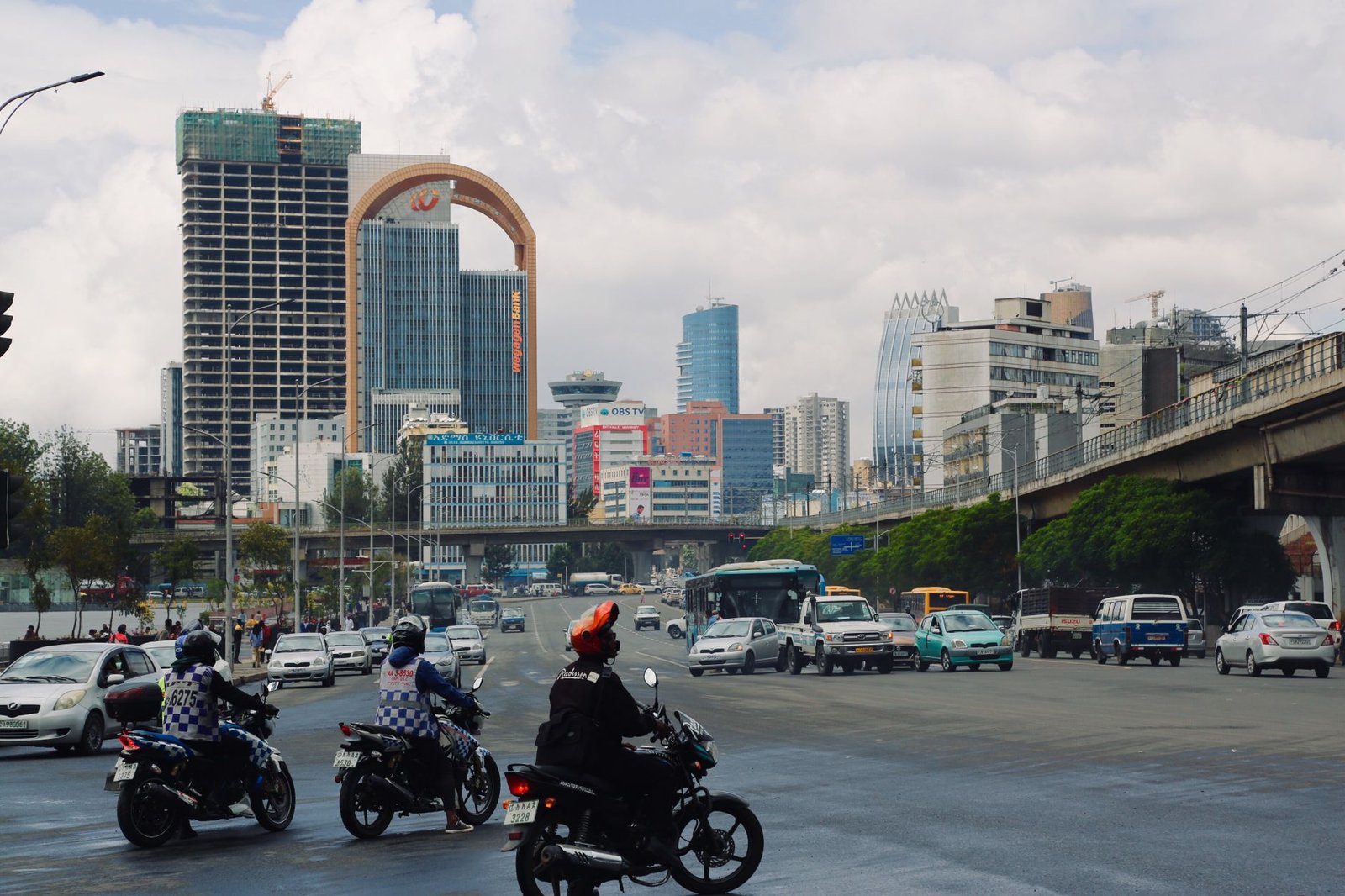
Ethiopia Africa Industrial Ambitions and Agricultural Base
Global business insights and market intelligence.
Overview
Ethiopia, home to over 126 million people—making it Africa’s second most populous nation—has rapidly emerged as a promising destination for industrial expansion and agricultural export growth. The government’s strategy to develop industrial parks aims to transform Ethiopia into a manufacturing and export powerhouse by attracting foreign direct investment, creating employment, and diversifying the economy beyond subsistence agriculture. The emphasis on infrastructure investments, including road networks, railways, and energy projects, underpins this ambition by improving connectivity and reducing operational costs.
As the largest coffee producer in Africa and the seventh largest globally, Ethiopia’s agricultural exports remain a cornerstone of its foreign exchange earnings. The country’s diverse agro-ecological zones enable production of not only high-quality Arabica coffee but also pulses, oilseeds, and horticultural products. These sectors benefit from increasing global demand for ethically sourced and specialty goods.
Business entry into Ethiopia is facilitated by ongoing regulatory reforms, investment incentives within industrial parks, and a growing domestic consumer market. The Ethiopia Investment Commission actively supports foreign investors through streamlined procedures and guarantees. However, challenges remain, including limited access to foreign exchange, bureaucratic hurdles, and infrastructure gaps outside urban centers. Strategically navigating these factors can unlock substantial growth potentials within manufacturing, agribusiness, logistics, and renewable energy sectors.
Key Data
| Attribute | Details |
|---|---|
| Population | Approx. 126 million (2024) |
| GDP Growth Rate | 6-8% annually (pre-pandemic trends, recovering) |
| Key Industries | Textiles & Garments, Agro-processing, Construction Materials, Leather Goods |
| Industrial Parks | Over 20 operational parks (e.g., Hawassa, Bole Lemi, Mekelle) |
| Major Agricultural Exports | Coffee (Arabica), Oilseeds, Pulses, Flowers, Fruits |
| Infrastructure Investment | Over $30 billion in roads, railways, energy projects since 2010 |
| Business Entry | Investment incentives, one-stop shops, Export Processing Zones |
Business Opportunities
- Industrial Park Development: Ethiopia’s industrial parks provide tax incentives, streamlined customs, and ready-made facilities attractive to apparel, textile, leather, and manufacturing companies targeting export markets, especially the EU and US under preferential trade agreements.
- Agricultural Value Chains: Investors can engage in coffee processing, packaging, and value addition to tap into rising international demand for specialty and organic coffee, as well as expanding markets for pulses and horticulture products.
- Infrastructure and Logistics: Growing infrastructure addresses key bottlenecks in supply chains. Logistics firms, construction service providers, and renewable energy developers find expanding opportunities as Ethiopia modernizes transport corridors and energy grids.
- Technology and Innovation: Digital solutions for agricultural efficiency, e-commerce platforms, and fintech are emerging sectors responding to a young, increasingly connected population and government digitalization initiatives.
- Strategic Insights: Foreign investors benefit from embedding into local supply chains, partnering with government initiatives, and understanding Ethiopia’s regulatory reforms aimed at easing foreign ownership and repatriation of profits, thereby reducing risks linked to bureaucracy and currency constraints.
Frequently Asked Questions
What makes Ethiopia’s industrial parks attractive for foreign investors?
Ethiopia’s industrial parks offer competitive fiscal incentives, dedicated export facilitation services, reliable utilities, and proximity to large labor pools. They also benefit from preferential trade access to markets such as the EU (through the Everything But Arms agreement) and the US (African Growth and Opportunity Act – AGOA), making them ideal hubs for export-oriented manufacturing.
How significant is coffee to Ethiopia’s economy?
Coffee accounts for about 25% of Ethiopia’s export earnings and employs millions along its supply chain, from smallholder farmers to processors. Ethiopia is widely recognized as the origin of Arabica coffee, supplying high-quality beans sought after globally, which positions the country as a critical player in the global coffee market.
What infrastructure improvements support Ethiopia’s industrial ambitions?
Major infrastructure projects like the Addis Ababa–Djibouti Railway, extensive road network upgrades, and the Grand Ethiopian Renaissance Dam have improved energy supply, transport, and trade logistics. These projects reduce costs and improve Ethiopia’s competitiveness for industrial and export activities.
Are there challenges to investing in Ethiopia?
Challenges include foreign exchange shortages, administrative delays, and occasional policy uncertainties. However, ongoing reforms targeting investment climate improvement, combined with government support mechanisms, mitigate many of these risks for committed investors.