

Egypt North Africa Gateway and Regional Trade
Global business insights and market intelligence.
Overview
Egypt holds a pivotal position at the crossroads of international trade routes, anchored by the Suez Canal—a critical global maritime artery connecting the Mediterranean Sea to the Red Sea. This strategic advantage not only underpins Egypt’s role as a logistics and shipping hub but also attracts substantial foreign direct investment geared toward infrastructure and industrial expansion.
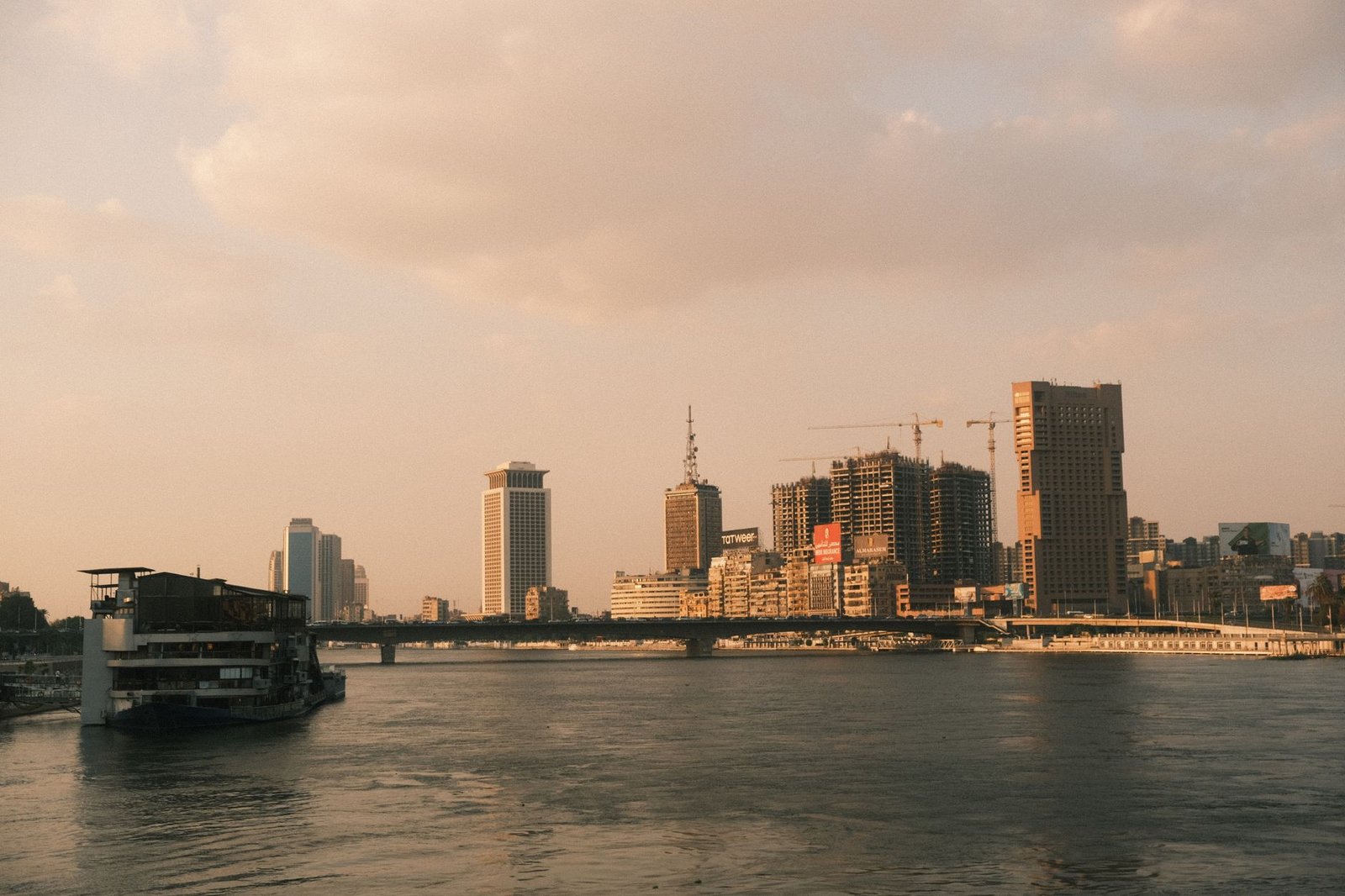
In recent years, Egypt has undergone a remarkable construction boom, driven by government initiatives such as the New Administrative Capital project and the development of industrial zones. These efforts are fueling economic diversification beyond traditional sectors, positioning Egypt as one of Africa’s fastest-growing markets.
The country’s manufacturing zones, including the Suez Canal Economic Zone and the East Port Said Industrial Zone, leverage proximity to international shipping lanes and offer incentives such as tax exemptions and streamlined regulatory frameworks to attract global investors. These zones specialize in industries ranging from automotive to electronics and pharmaceuticals, allowing companies to optimize access not only to local consumers but to export markets across Africa, Europe, and Asia.
Agriculture remains a cornerstone of Egypt’s economy, with the Nile River providing fertile lands for crops such as cotton, citrus fruits, and vegetables. The government has prioritized modernization of irrigation and farming techniques, increasing productivity and export potential. This sector complements manufacturing and logistics, offering integrated business opportunities.
For businesses targeting North Africa and the Middle East, Egypt offers a competitive business environment, strategic trade agreements, and a young, skilled workforce. The combination of market size, connectivity, and ongoing reforms creates a compelling platform for regional expansion and supply chain optimization.
Key Data
| Attribute | Details |
|---|---|
| Strategic Location | Suez Canal connects Mediterranean to Red Sea, vital global shipping route |
| Key Economic Zones | Suez Canal Economic Zone, East Port Said Industrial Zone, Borg El Arab Industrial Zone |
| Major Industries | Manufacturing (automotive, electronics, pharmaceuticals), agriculture, construction |
| Agricultural Products | Cotton, citrus fruits, vegetables, rice, wheat |
| Population | Approximately 110 million (2024 estimate) |
| FDI Policies | Investment incentives in free zones, tax breaks, simplified licensing |
| Trade Agreements | Agreements with African Union, COMESA, GAFTA, EU, US via various trade frameworks |
Business Opportunities
- Logistics and Shipping: Utilize Egypt’s unmatched maritime access via the Suez Canal to establish distribution hubs serving Africa, Europe, and Asia.
- Manufacturing and Industrial Expansion: Capitalize on strategic incentives in industrial zones for sectors such as automotive assembly, electronics manufacturing, and pharmaceuticals targeting regional markets.
- Agricultural Modernization: Invest in agri-tech and food processing sectors supported by ongoing government initiatives to boost yield and export capacity.
- Infrastructure Development: Participate in large-scale construction projects including urban development, transport networks, and renewable energy systems linked to Egypt’s New Administrative Capital and associated smart city projects.
- Renewable Energy: Benefit from government targets to increase solar and wind energy capacity, creating openings for technology providers and financiers.
- Regional Trade Platform: Leverage Egypt’s trade agreements and membership in regional economic communities to navigate tariffs and access emerging North African and Middle Eastern consumer markets efficiently.
Frequently Asked Questions
Why is the Suez Canal so important for global trade?
The Suez Canal is a key maritime shortcut connecting Europe and Asia, reducing shipping distances and transit times significantly. It facilitates approximately 12% of global trade, making it essential for efficient global supply chains and enhancing Egypt’s strategic importance.
What incentives are offered to foreign investors in Egypt’s industrial zones?
Egypt’s industrial zones provide various incentives including exemptions from customs duties, income tax reductions, streamlined licensing processes, and access to developed infrastructure to encourage foreign investment and export-led growth.
How does Egypt’s agricultural sector contribute to business opportunities?
Agriculture remains fundamental to Egypt’s economy, with a focus on high-value crops such as cotton and citrus. Modernization efforts open business prospects in agri-tech, irrigation technology, food processing, and export logistics.
What challenges should companies consider when entering the Egyptian market?
While Egypt offers significant opportunities, companies must navigate regulatory complexities, fluctuating foreign exchange rates, and infrastructure constraints in certain regions. Understanding local business customs and partnering with experienced local entities can mitigate these challenges.