

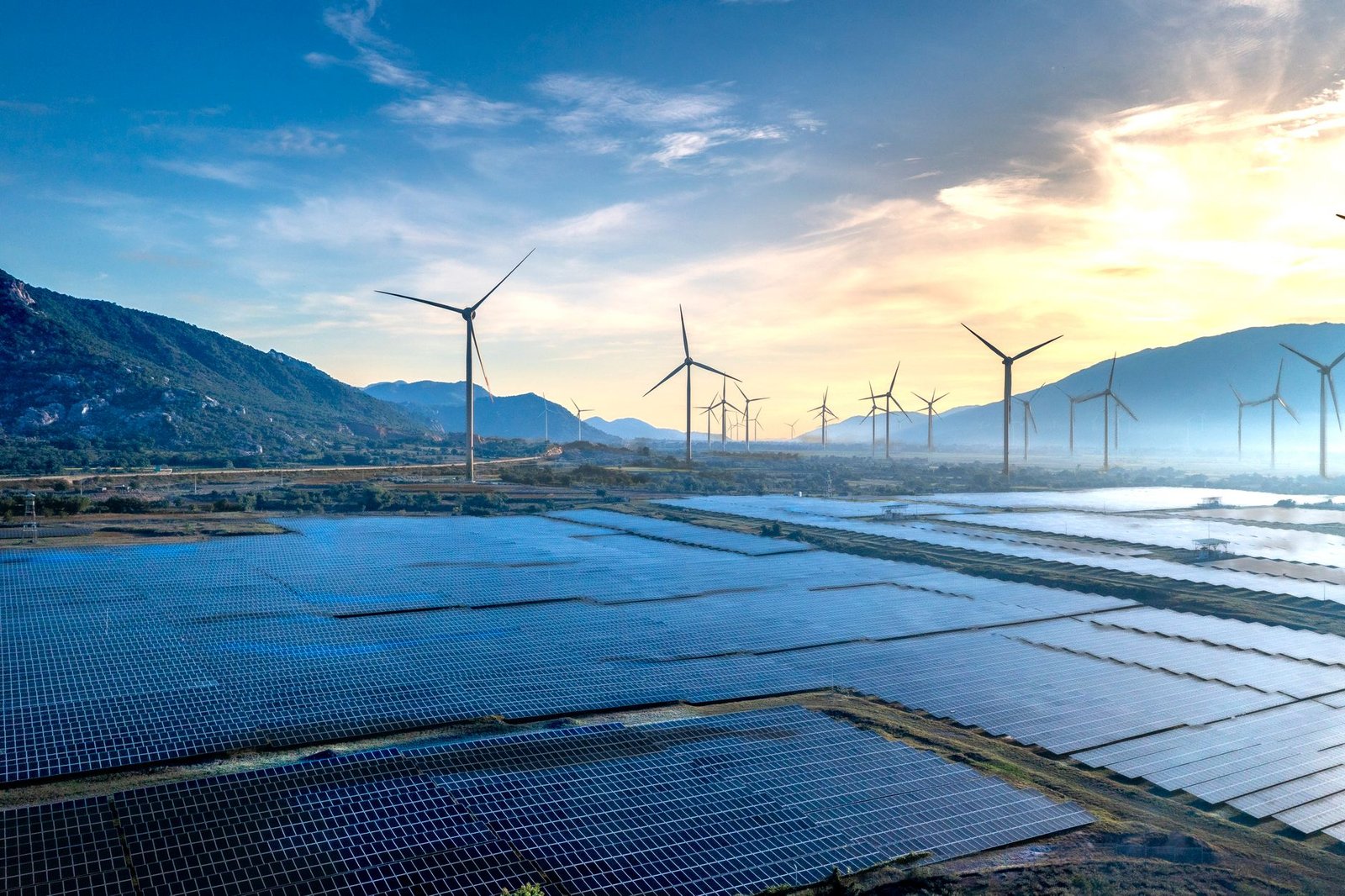
As global investment in clean energy accelerates, a growing body of evidence highlights significant human rights challenges embedded within these portfolios. Recent analysis by fDi Intelligence underscores the urgency for investors to proactively manage these risks to avoid both social harm and financial repercussions.
Emerging Risks in Clean Energy Investments
While clean energy projects are pivotal to achieving climate goals, they are increasingly linked to allegations of human rights abuses. These include concerns related to land acquisition, labor practices, and community displacement. The complexity of supply chains and the scale of infrastructure development contribute to these challenges, often in regions with limited regulatory oversight.
Financial Implications for Investors
Investors face mounting pressure as record-high allegations of human rights violations emerge within clean energy portfolios. Such issues can lead to project delays, legal disputes, and reputational damage, ultimately affecting investment returns. Integrating comprehensive due diligence and stakeholder engagement into investment strategies is becoming essential to mitigate these risks.
Strategies for Sustainable Investment
To align clean energy financing with responsible business practices, investors are encouraged to adopt robust environmental, social, and governance (ESG) frameworks. This includes conducting human rights impact assessments, engaging with local communities, and collaborating with governments and non-governmental organizations to ensure ethical project implementation.
As the clean energy sector evolves, balancing environmental objectives with social responsibility will be critical for sustainable growth. Investors who address these human rights concerns proactively can contribute to more resilient and equitable energy transitions globally.
Looking Ahead
The intersection of clean energy investment and human rights presents both challenges and opportunities. Stakeholders across the financial and energy sectors must prioritize transparency and accountability to foster trust and long-term value creation.
For further insights, refer to the original analysis by fDi Intelligence.
BusinessOnlyBusiness Editorial Team
Editorial content prepared with the support of artificial intelligence and the review of publicly available sources. While every effort has been made to ensure accuracy, occasional errors may occur. If you identify any inaccuracies or wish to request a correction, please contact the BusinessOnlyBusiness editorial team.
Source:
fDi Intelligence